The Suicide Continuum Unmasked: Understanding Suicide Through a New Lens

Room: Paradise A


Speaker(s): 

Andrews, Bart, PhD

Description: 

The standard model of the suicide continuum suggest people start with thoughts of escapist ideation, and, if things don’t get better, gradually progress through the dimension of non-morbid escapist ideation, to morbid ideation, to passive suicidal ideation to active suicidal ideation, etc. The research doesn’t support this progression. Up to 75% of those who die by suicide denied suicidal thoughts in their last visit behavioral health visit prior to their death. Many that attempt and survive suicide deny recalling suicide thoughts until just upon their attempt. We clinicians need to have a better understanding of the limitations of our suicide risk models and adopt new approaches when working with our clients.

Objectives

1. Review the standard suicide continuum model
2. Explore research that conflicts with this model
3. Identify aspects of standard care that impede better intervention
Slay, Bre-Ann, PsyD

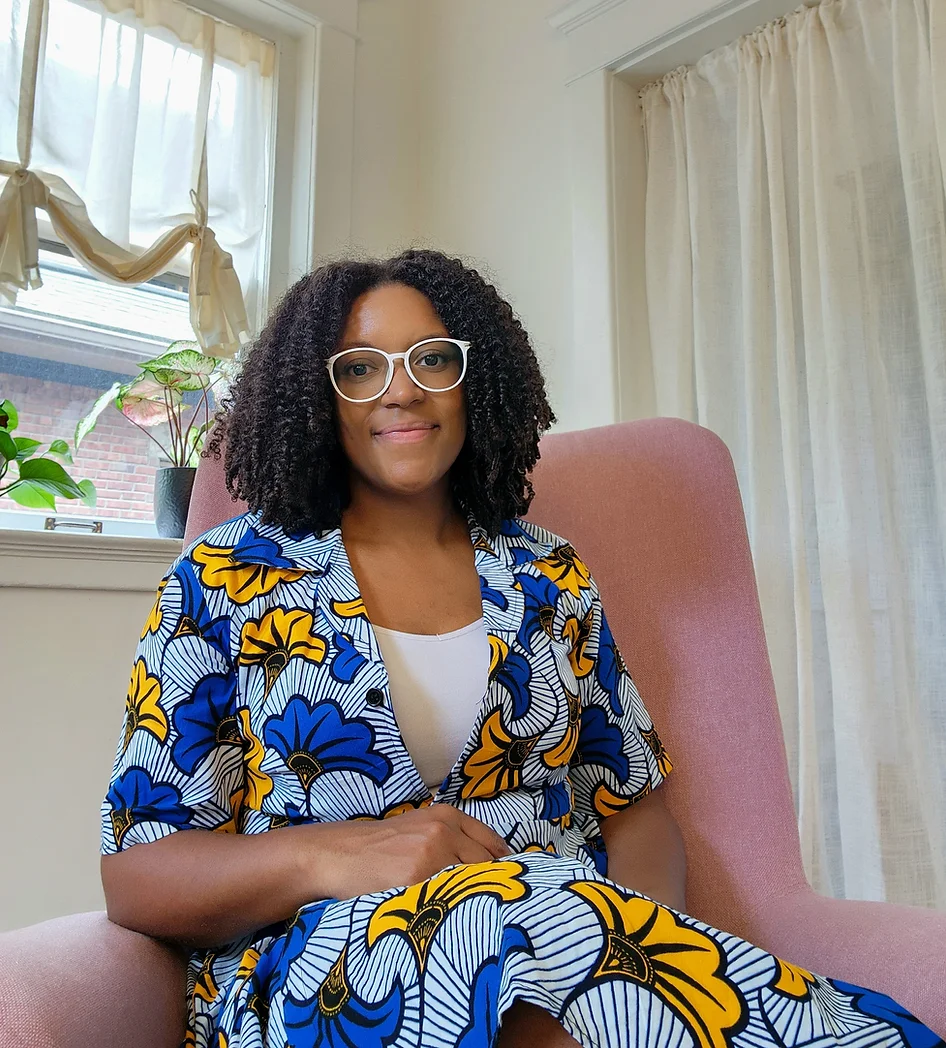
Dr. Bre-Ann Slay is a distinguished Licensed Clinical Psychologist, holding an additional endorsement as an Infant Mental Health Specialist. With a doctoral degree in clinical psychology (PsyD) from the University of Denver and a master’s degree in forensic psychology, she brings a wealth of academic and professional expertise to her role. Dr. Slay actively contributes to the field by serving on the executive board of the nonprofit Missouri Association for Infant and Early Childhood Mental Health (MOAIMH-EC) and as a certified trainer of IoWA-PCIT.
At Reflect to Connect, Dr. Slay has established a platform dedicated to advancing education and support in infant and early childhood mental health. Grounded in attachment and behavioral lenses, her clinical practice prioritizes understanding caregiver-child relationships to achieve shared goals. Specializing in Child-Parent Psychotherapy (CPP), IoWA-PCIT, and play-based treatments, Dr. Slay is committed to enhancing the overall well-being of children. She is a lead clinician for the Jackson County Safe Babies Court. Recognizing the challenges caregivers face, she assures individuals that with the right tools, temporary struggles can pave the way for a child’s success. Her goal is to foster a foundation of support and understanding for the flourishing future of young ones.
 

Presentation(s): 

Uniting for Reunification: The Critical Role of Collaborative Efforts and Clinical Services in Safe Babies Court Team 


Rebecca Preston, PhD

Dr. Rebecca Preston is the Clinical Lead of the Early Psychosis Care Center. She received her PhD in Clinical Psychology from Hosftra University. Her interests concentrate on stressors and impaired self-regulatory behaviors that both predate and maintain disorders of self-control and co-morbid psychiatric disorders in vulnerable populations. With the Early Psychosis Care Center, Rebecca develops trainings and facilitates the implementation of evidence-based practices to prevent the onset of and provide treatment for early psychosis in individuals in Missouri.
Presentation(s): Cannabis Use and the Developing Mind: Effects, Risks, and Mental Health Impact

Jones, Rachel, BS, MA, LPC

Rachel Jones, LPC is Director of Trauma Services at Missouri Department of Mental Health. She provides trauma informed training, consultation, and technical assistance with various projects to further implement trauma-informed knowledge, practices and treatment. She also guides the department in wellness and employee mental well-being initiatives.

Presentation(s): 

Show Me Peer Power: Missouri DMH’s Critical Incident Stress Management Network for the Workforce