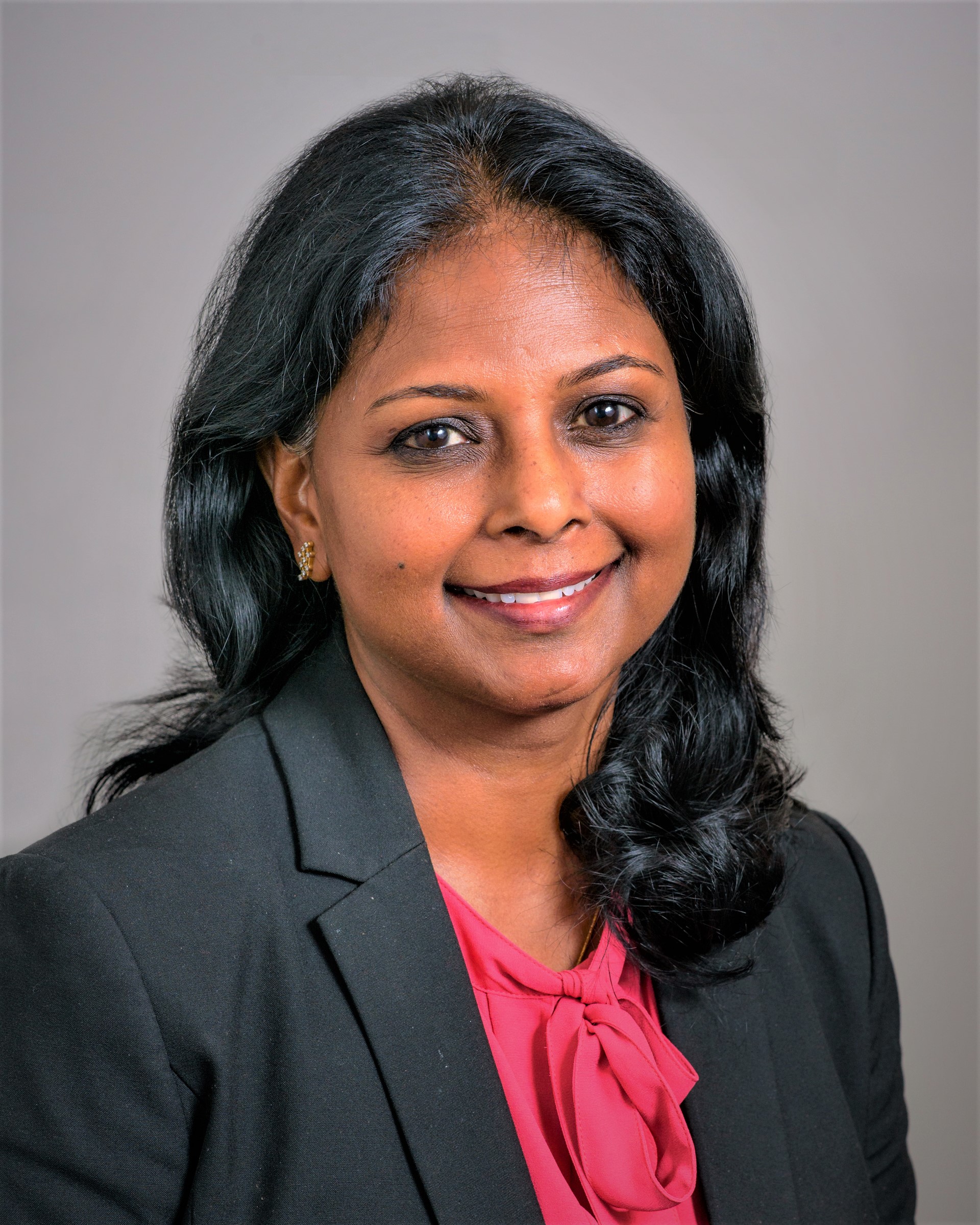
A woman with medium skin tone and long black hair, wearing a black blazer and a pink blouse, is smiling at the camera against a plain light-colored background.

Angeline Stanislaus, MD

Angeline Stanislaus, MD, is a board-certified forensic psychiatrist who has been practicing psychiatry for more than 25 years. Since 2014, she holds the position of the Chief Medical Officer for the Missouri Department of Mental Health. In this role, she has been a part of several mental health services and addiction services initiatives in Missouri. She played an important role in improving access to care with those suffering from Opioid Use Disorder and Alcohol Use Disorder. Dr. Stanislaus has given talks on several national conferences on topics related to serious mental illnesses and addiction.

Presentation(s): 
Keynote: Sleep and Mental Health

Preventing Relapse with SMI

Madeline Cusimano, MD

Madeline Cusimano, MD is Chief Resident of the Psychiatry Residency at the University of Missouri-Kansas City (UMKC). She earned her medical degree from the University of Iowa Carver College of Medicine and is completing her final year of psychiatry training at UMKC. Her clinical interests include inpatient psychiatry, consult-liaison services, substance use treatment, and perinatal psychiatry. Following graduation, she plans to practice as an inpatient psychiatrist in Kansas City.
Dr. Cusimano has a particular interest in postpartum psychiatric illness, especially postpartum psychosis, and has presented on this topic in departmental Grand Rounds. She has also delivered regional presentations on substance use disorders. Her presentation for the Spring Training Institute focuses on early recognition, systems-based intervention, and care coordination for individuals experiencing severe perinatal mental health conditions.

Presentation(s): 

When Reality Breaks After Birth: Postpartum Psychosis


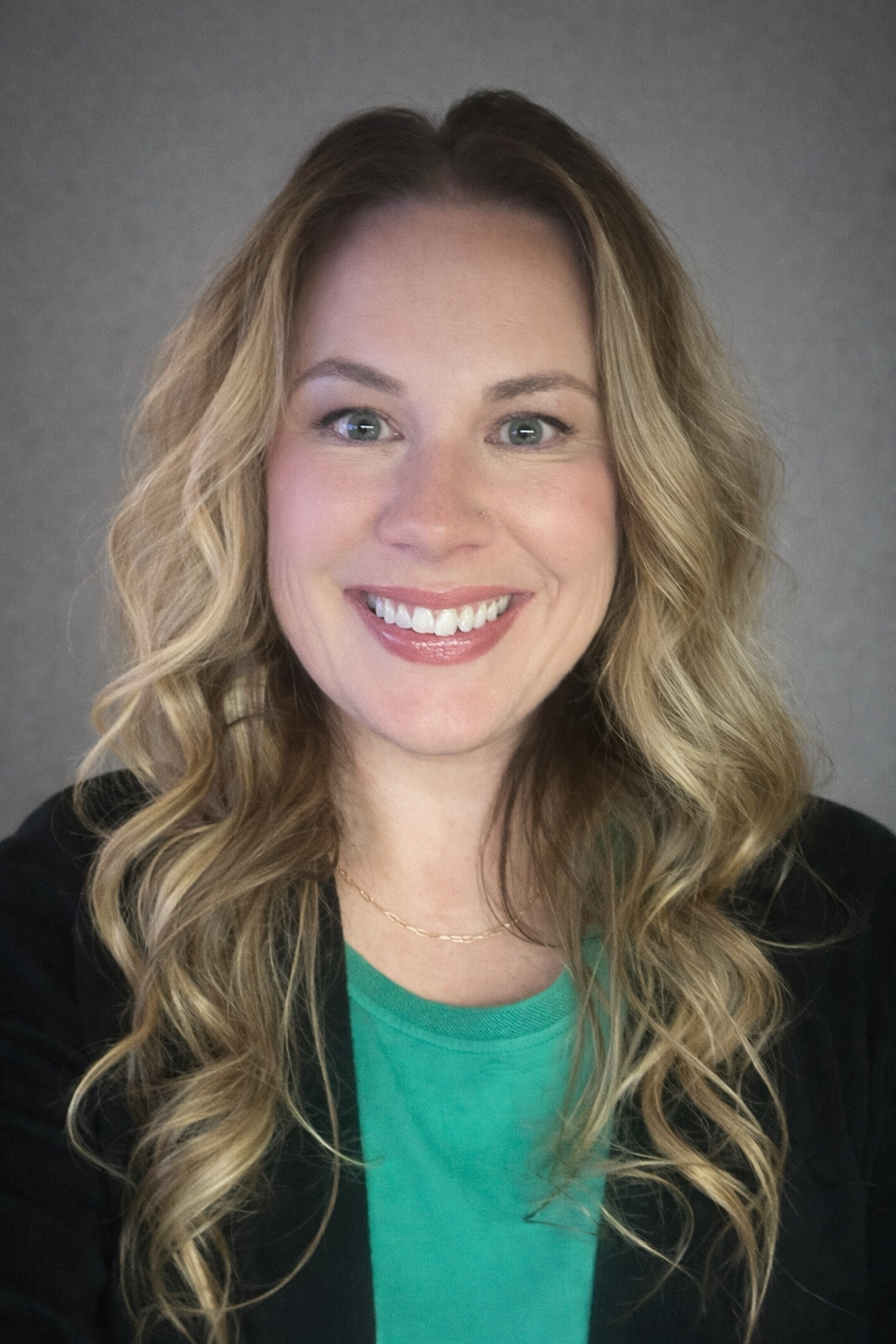
A woman with long, wavy blonde hair smiles at the camera. She is wearing a green top, a black jacket, and a thin gold necklace, with a neutral gray background behind her.

Bethany Van Lant, MSW

Bethany Van Lant is the Chief of Forensic Operations for the Western Region with the Missouri Department of Mental Health, Division of Behavioral Health. She is a Licensed Clinical Social Worker with over a decade of experience in forensic mental health services. Bethany began her career at Fulton State Hospital, where she served as a unit social worker. Over the course of her career, she has held multiple roles within forensic departments across state psychiatric hospitals, developing extensive expertise in the intersection of behavioral health and the criminal justice system. In her current role, Bethany oversees the Forensic Mobile Team, which provides treatment, medication management, and education to individuals found incompetent to stand trial. She also contributes to the development and implementation of forensic procedures across state psychiatric facilities. Her work is centered on expanding access to competency restoration and strengthening systems of care for justice-involved individuals with serious mental illness.

Presentation(s): 

DMH Forensic Mobile Team

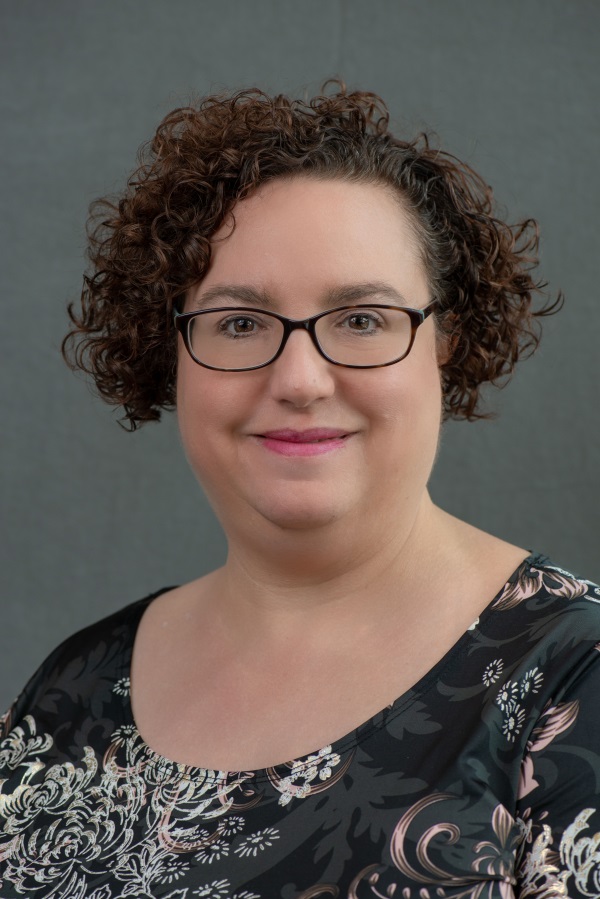
A woman with short curly brown hair and glasses smiles at the camera. She is wearing a black top with a floral pattern, and the background is plain gray.

Nicole Reitz, MSW

Nicole Reitz, LCSW Chief of Forensic Operations DBH Forensic Mobile Team Nikki works at the intersection of the criminal justice system and community mental health, specializing in treating adults with severe mental illness. The Forensic Mobile team provides competency restoration, case management and medication management services to clients that have been found to be incompetent to stand trial. Nikki has been working with clients with persistent and severe mental illness for the three decades. The last two were for the Department of Behavioral Health. Working acute care, competency restorations and specializing in discharge planning for clients coming out of state hospitals. Outside of work Nikki is a wife and mom of two awesome teenagers.

Presentation(s): 

DMH Forensic Mobile Team

Mariana Edwards, MD

Dr. Edwards earned her Medical Degree from the University of Lisbon Faculty of Medicine in Portugal, where she completed an integrated master’s degree on Bipolar Disorder and Creativity, reflecting an early interest in the intersection of psychiatric illness and human experience.
Since joining UMKC Psychiatry Residency Program in 2022 she has worked across inpatient, outpatient, community, forensic and consultation liaison settings. She earned the honor of Resident of the Year for the 2024-2025 academic year. She has contributed with scholarly work including a case report on clozapine-associated myocarditis and pancreatitis. She strives to understand patients within their personal and cultural contexts and loves to talk about the importance of patient and family centered interventions in psychiatry across all diagnoses, and most specifically in schizophrenia.
She feels honored to provide mental health care to the population of Kansas City and to present on the topic of Neurocognitive Dysfunction in Schizophrenia.

Presentation(s): 

Neurocognitive Dysfunction in Schizophrenia: an Updated Review

Kerri Tesreau, MBA

Kerri Tesreau serves as a Deputy Director of the Missouri Department of Mental Health, where she helps oversee the strategic direction and daily operations of the agency. Kerri is a dedicated public servant with over two decades of experience in high-impact government operations. With a B.S. in Business Management and Marketing and an M.B.A specializing in Public Administration, she has focused on optimizing processes and implementing effective, data-driven solutions for complex government challenges. Kerri has participated in several large-scale initiatives including the COVID-19 pandemic and currently serves as the Department of Mental Health lead for the Rural Health Transformation Grant.

Presentation(s): 

Understanding the Rural Health Transformation Program

Missouri’s Rural Health Transformation Program (RHTP): What’s Included

Quitting vs. Thriving: Flipping the Script on Alcohol Reduction Education

Room: Paradise A

Speaker(s):

Fred Rottnek, MD

Presentation: Flipping the Script on Alcohol Reduction Education is an interactive session that reframes alcohol counseling around health gains rather than deprivation. Participants will explore concrete health benefits of cutting back, learn how even small reductions in drinking improve well-being, and practice asking patients about their own goals for change. The session will also highlight practical strategies and medications that clinicians can implement to support patients reduce alcohol use in a patient-centered, collaborative way.

Objectives:

  • Identify specific health benefits of reducing alcohol consumption
  • Discuss that any reduction in drinking provides health benefits
  • Ask individuals about their goals in changing their alcohol
  • Implement or support medications to reduce alcohol use

Slides and Handouts:


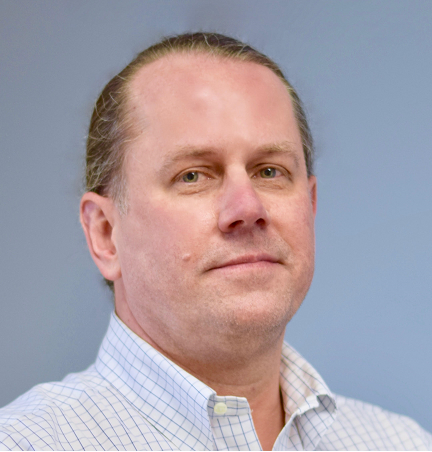
A middle-aged man with light skin and long light brown hair tied back, wearing a white checkered shirt, looks toward the camera with a neutral expression against a plain blue background.

Fred Rottnek, MD, MAHCM

Dr. Rottnek is a Professor and the Director of Community Medicine at Saint Louis University School of Medicine and the Program Director of the SSM Health Saint Louis University Addiction Medicine Fellowship.. His clinical practices include family medicine, addiction medicine, and correctional healthcare. He teaches in the School of Medicine and the School of Law. Board-Certified in Family Medicine and Addiction Medicine, he is the Medical Director for the Assisted Recovery Centers of American (ARCA) and Juvenile Detention in Family Court for the City of St. Louis. He consults with SAMHSA’s Opioid Response Network and the GAINS Center.

Kritika Chauhan, PsyD

Kritika Rajeev Chauhan, Psy.D., is a Clinical Forensic Psychology Postdoctoral Resident at the Center for Behavioral Medicine (CBM) in Kansas City, Missouri. At CBM, she provides competency restoration services, conducts both inpatient and outpatient competency evaluations, and delivers individual and group psychotherapies within a multidisciplinary forensic setting. She will also deliver didactic training and grand rounds. Dr. Chauhan completed her Doctor of Clinical Psychology degree at the Florida Institute of Technology and a full-year forensic internship at Mendota Mental Health Institute, where she gained specialized experience in forensic assessment, risk evaluation, competency restoration, and substance use treatment in maximum- and medium-security settings.
Dr. Chauhan’s research and clinical practice center on understanding psychological concepts within forensic settings. She has contributed to projects examining phenotypic bias in eyewitness identification and psychological influences on plea-bargaining decisions as a graduate student, and her award-winning doctoral research explored fear of crime and somatization among international students. With training in competency assessment, violence risk assessment, and expert testimony preparation, she is deeply committed to strengthening fairness, accuracy, and person-centered values in forensic evaluations and treatment. Her conference presentation highlights practical, evidence-based strategies for recognizing and mitigating bias in forensic practice.

Presentation(s):

Blind Spots in Justice: Recognizing and Reducing Cognitive Bias in Forensic Psychology

Keynote: Sleep & Mental Health

Room: Paradise Ballroom

Speaker(s): 

Angeline Stanislaus, MD

Presentation: Sleep is an important part of our mental wellness and health. Without sleep the human body cannot function – new learning does not occur, memory does not consolidate and immunity is affected. Sleep disturbance is very common in mental illnesses. In this talk, Dr. Stanislaus will discuss the physiology of the healthy sleep cycle, the role of each component of the sleep cycle, the circadian rhythm and its effect on the neurotransmitters, and the need to optimize sleep to maintain good mental health. She will also discuss the different types of sleep disturbances that occur in mental illness like depression, bipolar disorder, PTSD etc., and the importance of sleep data in identifying early signs of relapse.

Objectives:

  • To learn the physiology and functions of sleep
  • To learn about the role played by neurotransmitters in sleep
  • To understand changes in sleep patterns that occur in mental illnesses

Slides and Handouts: