Tobias, Amanda, AA

Amanda Tobias is a Certified Reciprocal Drug and Alcohol Counselor as well as a Qualified Addiction Professional with North Central Missouri Mental Health Center for over 5 years. Tobias’ career with North Central Missouri Mental Health has included work as a Family Support Specialist, Community Support Specialist and has most recently included her role as SUD counselor and specialist on the ITCD/DOC/SUD program. Tobias received her Associates in Teaching at North Central College. Tobias specializes in working with individuals in the substance use program, integrated treatment for co-occurring disorders program, youth and transitional aged youth substance use program as well as individuals who are engaged with the Department of Corrections. Tobias has experience working with transitional aged youth, individuals with substance use diagnosis, Department of Corrections probationers and parolees, individuals experiencing barriers with mental health and substance use combined and has engaged in developing a relationship with the Child Advocacy Center. In addition to her employment activities Tobias engages in volunteer activities with local resources such as the area homeless shelter which provides services to a nine-county service area.

Presentation(s):

Maslow’s Hierarchy of Needs as it Relates to Mental Health and Substance Use in a Rural Setting
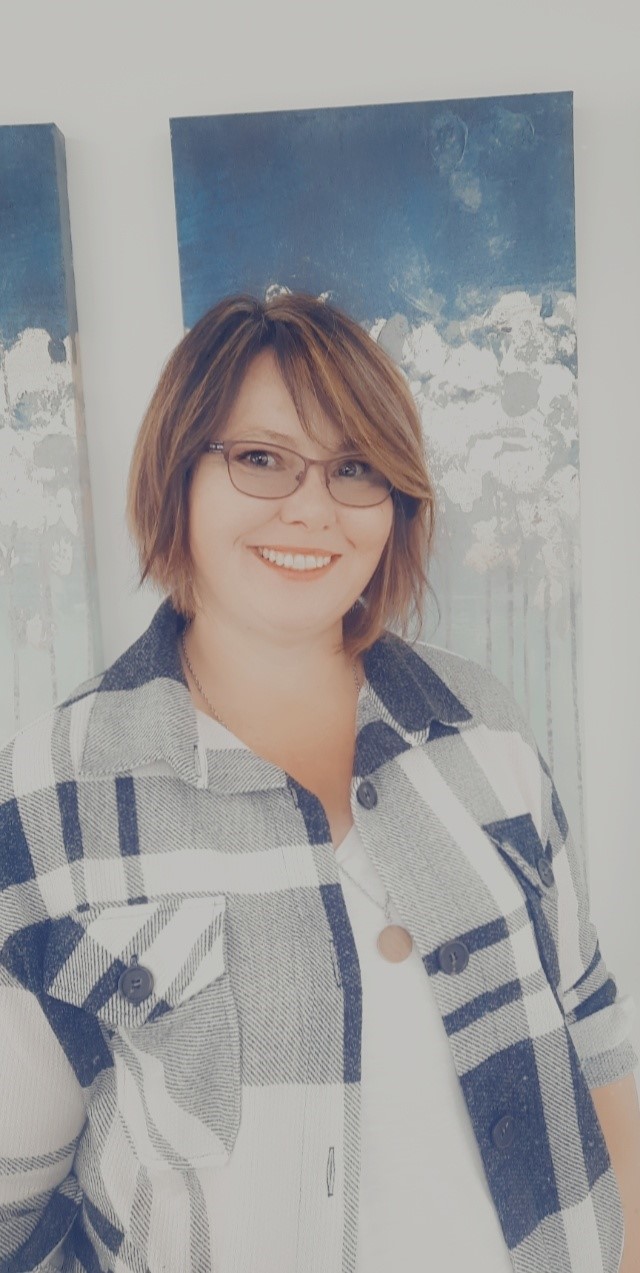
Cornell, Alison, MSW

Alison Cornell is a Licensed Clinical Social Worker in the State of Missouri with a master’s degree in Social Work from the University of Missouri. Ms. Cornell specializes in Integrated Treatment in Co-occurring disorders currently servicing rural areas. Ms. Cornell has extensive training and background work in domestic violence, substance use disorders, mental health, Department of Corrections, transitional aged youth and past student experience with Children’s Division. Ms. Cornell has had extensive work as a first responder for domestic violence cases, crisis intervention, and trauma work.
Ms. Cornell has currently been engaged with North Central Missouri Mental Health Center in Trenton Missouri as the ITCD specialist for the past seven years. She has been an integral part of the building and creation of the ITCD team for the agency and has been overseeing treatment for individuals receiving services in the Integrated Treatment for Co-Occurring Disorders, Substance Use Disorders, youth Substance Use Disorders, Department of Corrections and Community Psychiatric Rehabilitation Center programs during her time with the agency.

Presentation(s):

Maslow’s Hierarchy of Needs as it Relates to Mental Health and Substance Use in a Rural Setting
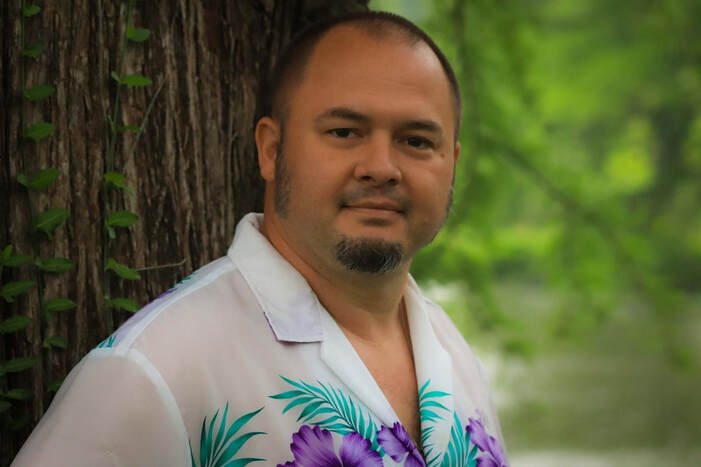
Scarberry, Chris, MA

I am a Licensed Professional Counselor with 20 years experience working as a therapist and doing community-based crisis intervention. I have had my private practice for 13 years. In the past, I worked as a mobile outreach crisis counselor for 11 years (in addition to my practice) supporting clients who are in need of immediate assistance. I have experience treating grief and loss, sexual orientation/gender dysphoria-related concerns (I write letters for HRT and surgery), depression, substance abuse, trauma, and anxiety. I am specially trained in Prolonged Exposure Therapy, an evidence-based treatment for symptoms of Posttraumatic Stress Disorder (PTSD). I perform couples, individual, and group counseling with diverse client populations, specializing in therapy with the LGBTQIA community and those living with HIV/AIDS. I take a body/sex-positive approach and am open and affirming of LGBTQIA identities, various relationship structures including polyamory/non-monogamy, and am kink aware. I have spoken at local and state-wide conferences on LGBTQIA+ concerns and have served on the HIV funding planning counsel. I am a prior volunteer with the Humane Society and grassroots homeless outreach. I am an avid music and theater enthusiast, reader, traveler, and animal lover.

Presentation(s):

Best Practice: Essential Historical and Clinical Knowledge for Counseling Clients from the LGBTQ+ and HIV Communities

Kelly, John, PhD, ABPP

Dr. Kelly is the Elizabeth R. Spallin Professor of Psychiatry in Addiction Medicine at Harvard Medical School – the first endowed professor in addiction medicine at Harvard. He is also the Founder and Director of the Recovery Research Institute at the Massachusetts General Hospital (MGH), the Associate Director of the Center for Addiction Medicine (CAM) at MGH, and the Program Director of the Addiction Recovery Management Service (ARMS). Dr. Kelly is a former President of the American Psychological Association’s (APA) Society of Addiction Psychology, and is a Fellow of the APA and a Diplomate of the American Board of Professional Psychology. He has served as a consultant to U.S. federal agencies and non-federal institutions, as well as foreign governments and the United Nations. Dr. Kelly has published over 200 peer-reviewed articles, reviews, chapters, and books in the field of addiction medicine, and was an author on the U.S. Surgeon General’s Report on Alcohol, Drugs, and Health. His clinical and research work has focused on addiction treatment and the recovery process, mechanisms of behavior change, and reducing stigma and discrimination among individuals suffering from addiction.

Presentation(s):

Addiction Recovery Support Services: Rationale and Science

A woman with shoulder-length dark hair, wearing a bright blue sleeveless top, smiles at the camera while standing indoors in a light-colored room.

Rachel Winograd, PhD

Rachel Winograd, PhD, is a licensed clinical psychologist, Associate Professor, and Director of Addiction Science at the University of Missouri, St. Louis. Her clinical, research, program development, and advocacy interests revolve around interventions to save and improve the lives of people who use drugs. Currently, she serves as Principal Investigator of the Addiction Science, Practice, Implementation, Research, & Education (ASPIRE) Lab in the Department of Psychological Sciences and directs a grant-funded Addiction Science team of 25 engaged staff, faculty, and students within the Missouri Institute of Mental Health. Her scholarly and implementation work is funded by SAMHSA, NIDA, CDC, the Missouri Foundation for Health, and Missouri’s Opioid Pharmaceutical Settlements through the Missouri Departments of Mental Health and Health & Senior Services. Dr. Winograd and her teams efforts focus on improving overdose prevention, community health, and treatment and recovery services by expanding access to medical treatment, innovative harm reduction strategies, and person-centered approaches to drug use and addiction.

Presentation(s): 

From Research to Practice: Diverse Approaches to Understanding and Addressing Substance Use


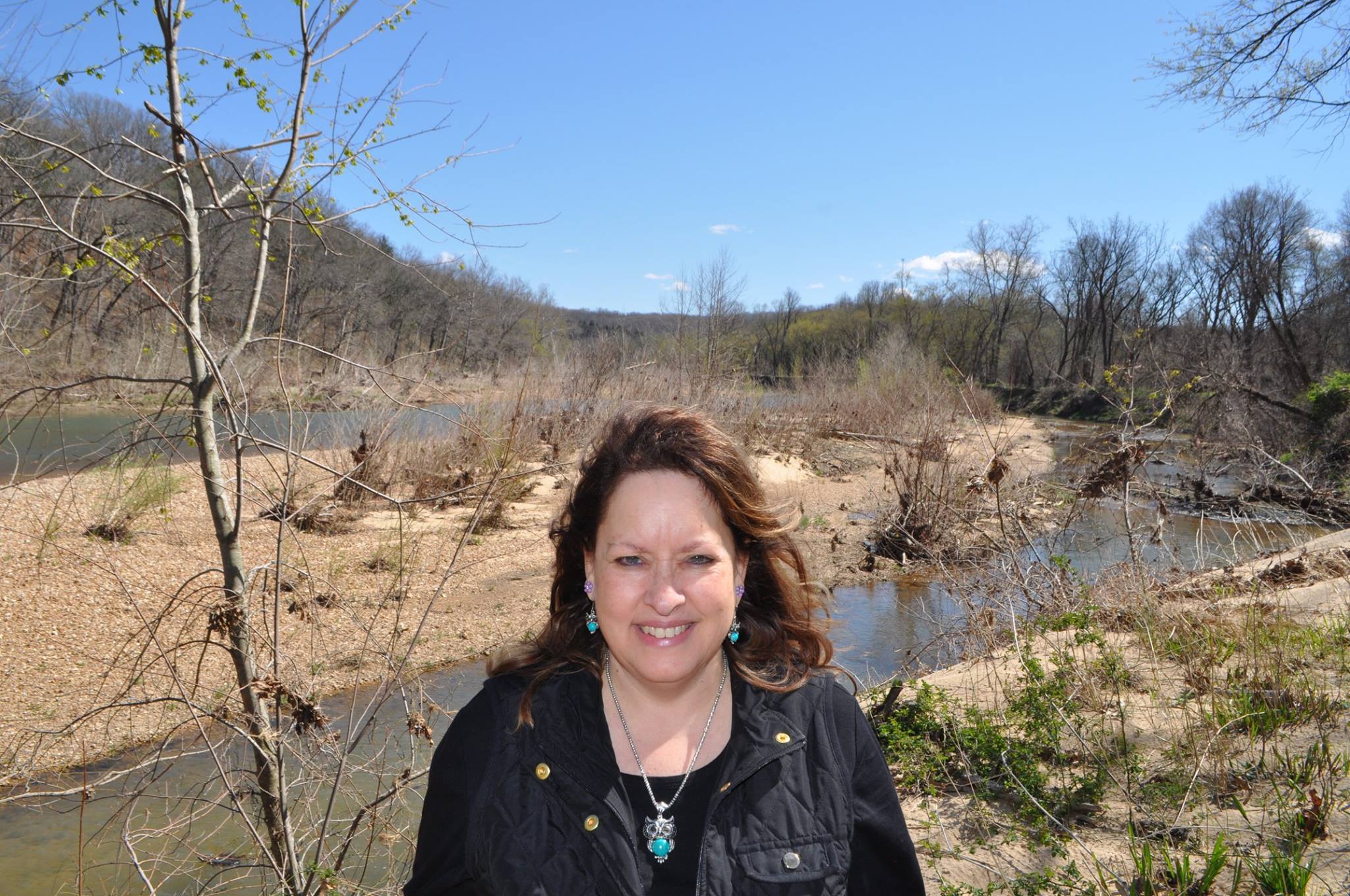
A woman with long brown hair and a black jacket smiles while standing outdoors in front of a riverbank with dry, leafless trees under a clear blue sky.

Terri Cooley-Bennett, DSW, MSW, BSW

Dr. Terri Cooley-Bennett holds a Doctor of Social Work (DSW) from Tulane Universitys School of Social Work and is a licensed clinical social worker in both Missouri and Kansas. She has completed clinical supervision training through the National Association of Social Workers (NASW) and the Missouri Credentialing Board (MCB), and is a trained Ethics Consultant for NASW. Dr. Terri currently serves as the appointed Chairperson of the Ethics Committee for the Missouri Chapter of NASW.
With more than 20 years of experience in education, public speaking, and clinical practice, she has served as a field instructor for multiple colleges and universities and is an Adjunct Professor in the Addictions Counseling Program at City Vision University. In 2024, she participated in a teaching fellowship at the Tulane University School of Social Work.
 
Dr. Terri has extensive experience working with diverse and marginalized populations, including individuals impacted by trauma, poverty, homelessness, racial inequities, LGBTQ+ identities, substance use disorders, behavioral health challenges, and diagnosed mental health conditions. She is currently an Adult Outpatient Therapist at Swope Health, where she has held various roles over the past 11 years.

Presentation(s): 

Ethical Approaches to Vicarious Trauma, Self‑Care, and Professional Conduct- Part 1

Finding Joy in the Workplace: Ethical Considerations in Addressing Trauma-Related Employment Stress (TRES) – Part 2


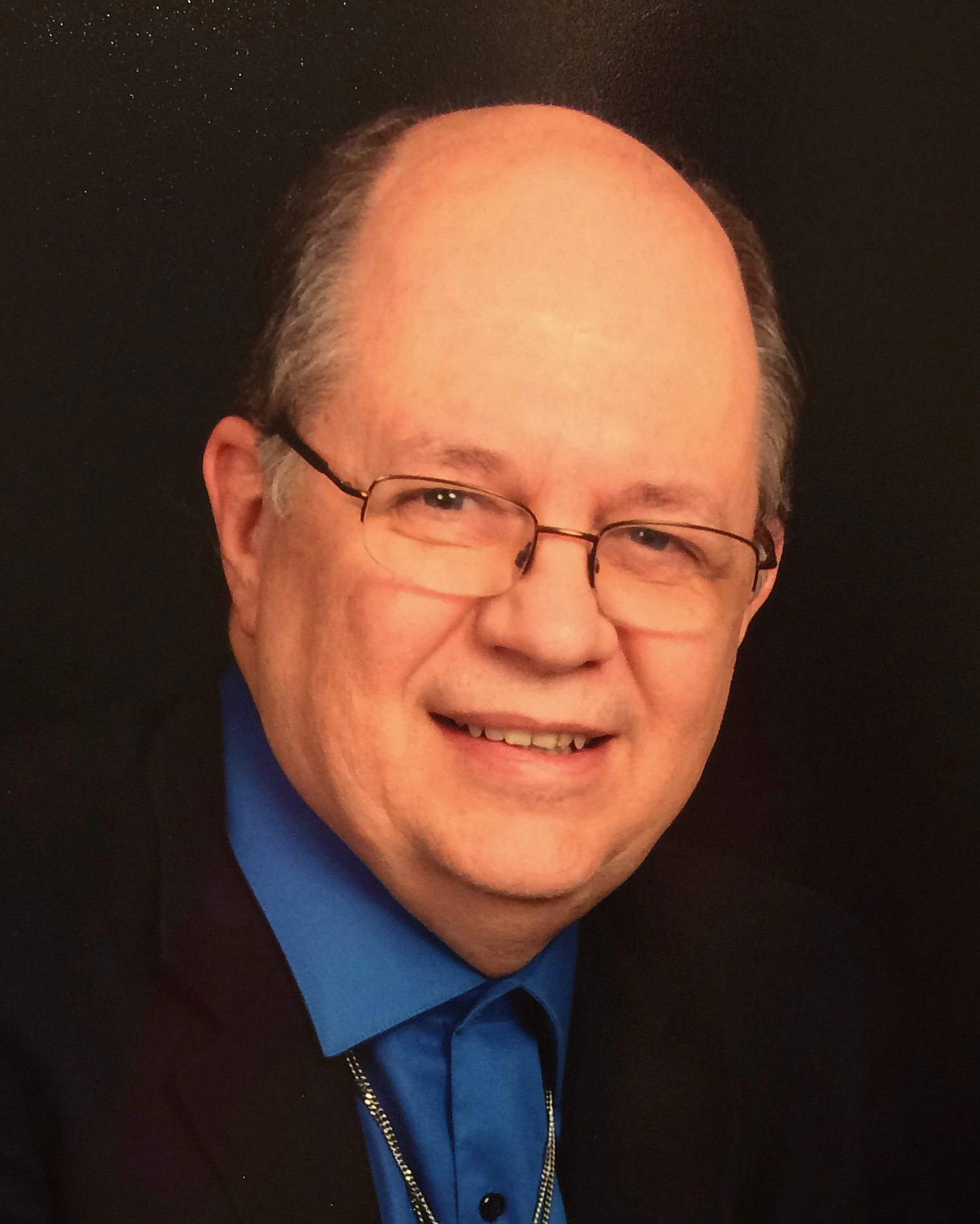
A middle-aged man with glasses, short gray hair, and a receding hairline, smiling. He is wearing a dark blazer and a blue shirt against a black background.

John Carpenter, MSW, LCSW

After obtaining a BA in Psychology from DePauw University in Indiana and a MSW from Washington University in St. Louis, John has served southwest Missouri for 45 years as a Psychiatric Therapist working with individuals, couples, families, and groups for all types of disorders and behavior problems.
He learned that using experiential approaches, metaphors, and visual props often revealed many hidden dynamics and reactions that just talking would never have produced. This made therapy more clearly understood, experienced, and productive.
 

Presentation(s): 

Revealing the Hidden Dynamics of Difficult Cases


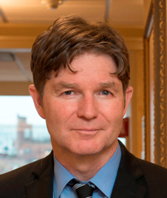
A man with short hair wearing a light gray checked blazer over a gray shirt, posing in front of a plain white background.

Sanders, Mark, LCSW, CADC


Mark Sanders, LCSW, CADC, is an international speaker, trainer, and consultant in the behavioral health field whose work has reached thousands throughout the United States, Europe, Canada, Caribbean and British Islands.

Mark is the author of five books, which focus on behavioral health. Recent writings include Slipping through the Cracks: Intervention Strategies for Clients Multiple Addictions and Disorders, Recovery Management: and Relationship Detox: Helping Clients Develop Healthy Relationships in Recovery. He has had two stories published in the New York Times best-selling books series, Chicken Soup for the Soul. Mark has been a certified addictions counselor for 34 years. He has received numerous awards including a Life Time Achievement Award from the Illinois Addiction Counselor Certification Board and the Barbara Bacon Award for outstanding contributions to the Social Work profession as a Loyola University of Chicago Alumni.


Presentation(s): 

1. Co-occurring Disorders and Evidence Based Treatment

2. Breaking Intergenerational Patterns of Addictions, Trauma and Dark Secrets with Individuals and Families


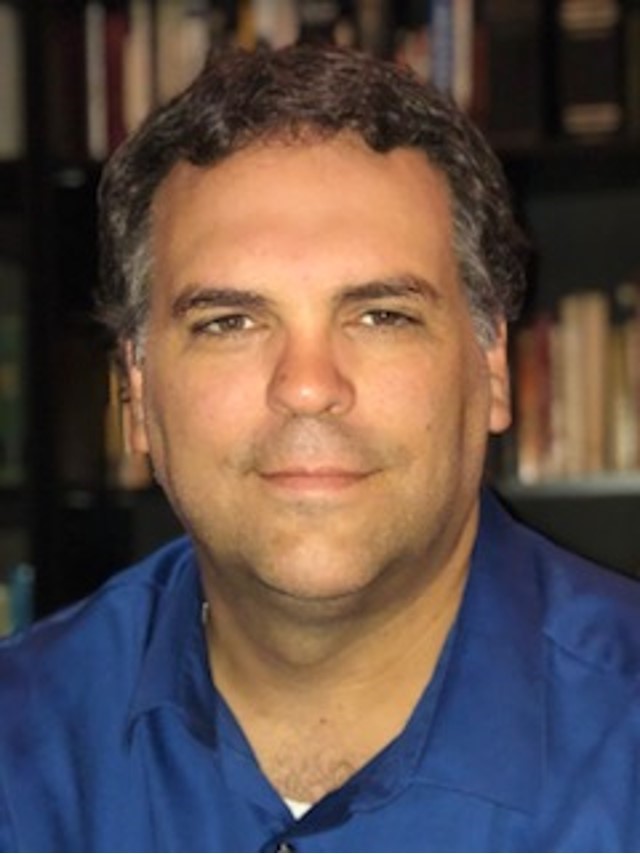
A man with short, dark curly hair and light skin, wearing a blue collared shirt, smiles softly at the camera. In the background, there is a bookcase filled with books.

James Smith, PhD, LPC, NCC, ACS, BC-TMH

Dr. James M. Smith, LPC has been a mental health counselor for nearly 20 years and Mindfulness practitioner for nearly 30. Dr. Smith completed his Master of Education in Community/Agency Counseling at Lincoln University of Missouri, then his PhD in Counselor Education and Supervision at Walden University. Dr. Smith is trained in EMDR, Trauma Informed Mindfulness Therapy, and Mindfulness Based Cognitive Therapy. He currently works for SSM Health St. Mary’s Outpatient Behavioral Health Care in Jefferson City, MO.

Presentation(s): 

Silencing the Pathological Critic: The Mindful Response to Unhealthy Self-Talk


Equifinality and Opiod Overdose: The Many Clinical Paths to Increased Risk

Speaker(s)

Rachel Winograd, MA

This presentation will review risk factors for experiencing opioid overdose events and will highlight how multiple distinct types of clinical pictures lead to increased risk. Specifically, pathways reflecting “pure” substance misuse histories, mismanagement of acute or chronic pain treatments, respiratory illnesses, and comorbid mental and physical health conditions will be reviewed, with attention paid to the unique vulnerabilities of individuals with each presentation. Guidance on how to most effectively discuss and protect against opioid overdose within various health care settings will be provided.

Objectives:

  • Review knowledge of behavioral, emotional, and physical risk factors for opioid overdose events
  • Describe established approaches and emerging trends in the services requires to support patients and families of patients with behavioral health and/or substance use management needs, specifically related to opioid use
  • Understand the unique clinical concerns of patients struggling with co-occurring chronic pain and opioid use disorder
  • Review a variety of prevention and intervention approaches to reduce patient risk of experiencing opioid overdose events