Michelle Horvath, MA, LPC
Presentation(s):
Presentation(s):
Presentation(s):
Presentation(s):
Presentation(s):
Room: Paradise A
Speaker(s):
Presentation: Suicide prevention requires a comprehensive, systemwide approach that is proactive rather than reactive. The Zero Suicide framework provides organizations with the structure to build safer, more effective care pathways for individuals at risk. This panel will bring together experts in quality improvement, statewide crisis operations, and youth suicide prevention to explore how multi‑departmental collaboration can operationalize Zero Suicide principles with measurable impact. Presenters will discuss how to leverage data to identify gaps and drive continuous improvement, how 988 and crisis service lines integrate Zero Suicide practices in real-time interventions, and how youth‑focused initiatives build protective environments through schools and family partnerships. Participants will leave with actionable strategies and examples of systemwide coordination that strengthens safety nets across the continuum of care.
Objectives:
Slides and Handouts:
Speaker(s):
Description:
The Safer Homes Collaborative (SHC) is dedicated to tackling the urgent issue of firearm-related suicides through lethal means safety (LMS). Over the past seven years, SHC has navigated numerous challenges and achieved significant milestones in messaging, bridging research gaps, reducing stigma, fostering collaboration and partnerships, and securing ongoing funding. This workshop highlights the imperative for behavioral health professionals and community partners to integrate LMS strategies into their comprehensive suicide prevention efforts.
Objectives
Speaker(s):
Sorg, Shanna
Description:
The Safer Homes Collaborative (SHC) is dedicated to tackling the urgent issue of firearm-related suicides through lethal means safety (LMS). Over the past seven years, SHC has navigated numerous challenges and achieved significant milestones in messaging, bridging research gaps, reducing stigma, fostering collaboration and partnerships, and securing ongoing funding. This workshop highlights the imperative for behavioral health professionals and community partners to integrate LMS strategies into their comprehensive suicide prevention efforts.
Objectives
1. Review the National and Missouri suicide prevention plans, including the focus on firearm suicide prevention
2. Discuss the four target audiences that Safer Homes Collaborative focuses on
3. Describe practical strategies and evidence-based approaches to integrate firearm suicide prevention into community health initiatives, ultimately contributing to a comprehensive approach to suicide prevention
Speaker(s):
Description:
Objectives
1. Review the standard suicide continuum model
2. Explore research that conflicts with this model
3. Identify aspects of standard care that impede better intervention
Racheal Ward is the Grant Development Officer, Grant Management and Supervisor for the Firearm Suicide Prevention Grant, and Project Director for the CMHC Grant initiative: Coordinated Solutions at FCC Behavioral Health. She has been with the agency for a little over 9 years. Previously, she has held the positions of Program Director of Youth Mental Health and CPRC Services and Clinical Manager of the Stabilization & Crisis Program (now the Behavioral Health Clinic). As the Grant Development Officer, Racheal is responsible for the writing and development of various grant opportunities for FCC Behavioral Health. As the Program Director for Youth CPRC, Racheal was instrumental in working with local school districts to develop a comprehensive school-based program that has spread to many of the school districts in the FCC Behavioral Health catchment area. Under her leadership, the Youth Mental Health Program, known as Youth STAR, grew from a census of 270 to over 1200 active clients.
Presentation(s):
Firearm Suicide Prevention: A Nascent Approach to preventing Suicide in Rural Southeast Missouri
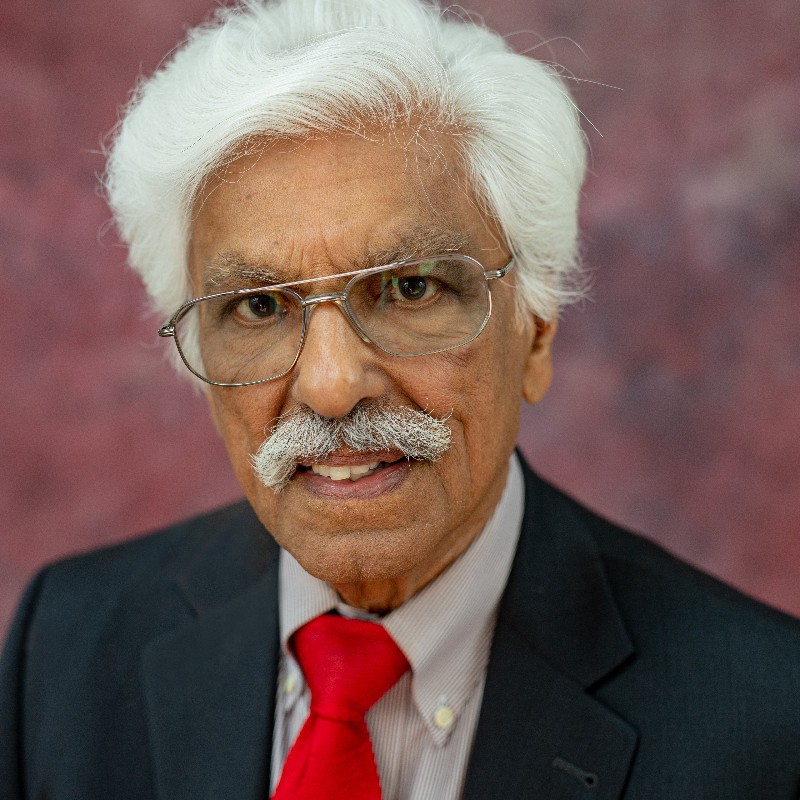
Dr. A. E. Daniel, is a forensic psychiatrist with decades of experience in mental health and correctional psychiatry. Daniel has worked with mental ill suicidal inmates. In doing so, he worked with correctional officers and other professionals. He was a mental health and correctional administrator, having worked as the Director of Psychiatric Services for the Missouri Department of Corrections between 2000-2007. For several years, he provided direct psychiatric services in a county Jail and various prisons in Missouri. In addition, he has analyzed about 130 inmates who committed suicide. He has published his research on inmate suicide in peer reviewed professional journals. He has testified as an expert witness in Federal and state courts where suicide led to lawsuits. Along with seven distinguished researchers and clinicians from US, Canada and Europe, he updated Resource Guide on Suicide Prevention in Jails for the World health Organization in 2006.
Presentation(s):
Prevent Suicide in Jails and Prisons: Save Lives and Avoid Lawsuits