Kathleen Murray, BA, MS

For more than 30 years, Kathleen Murray has dedicated her career to community outreach, mental health advocacy, and the development of compassionate, effective systems of care for marginalized populations. Her work has centered on creating meaningful connection with individuals who are often the hardest to engage-those navigating complex trauma, unstable environments, or multiple barriers to traditional services. Kathleen is widely recognized for her advanced skills in empathy, rapport-building, and deep engagement, bringing people into support systems when others could not.
Kathleen’s practice is grounded in integrity, persistence, and a “no wrong door” philosophy, ensuring that every individual receives support regardless of how they enter the system. A champion of collaboration and long-term commitment, Kathleen has consistently remained engaged when others moved on, often becoming the steady presence clients rely on most. Her leadership, dedication, and heart-centered approach continue to influence programs, practitioners, and communities working toward equitable, accessible, and person-centered care.
 

Presentation(s): 

Improving Care for People with Complex Needs: Real Solutions That Make a Difference
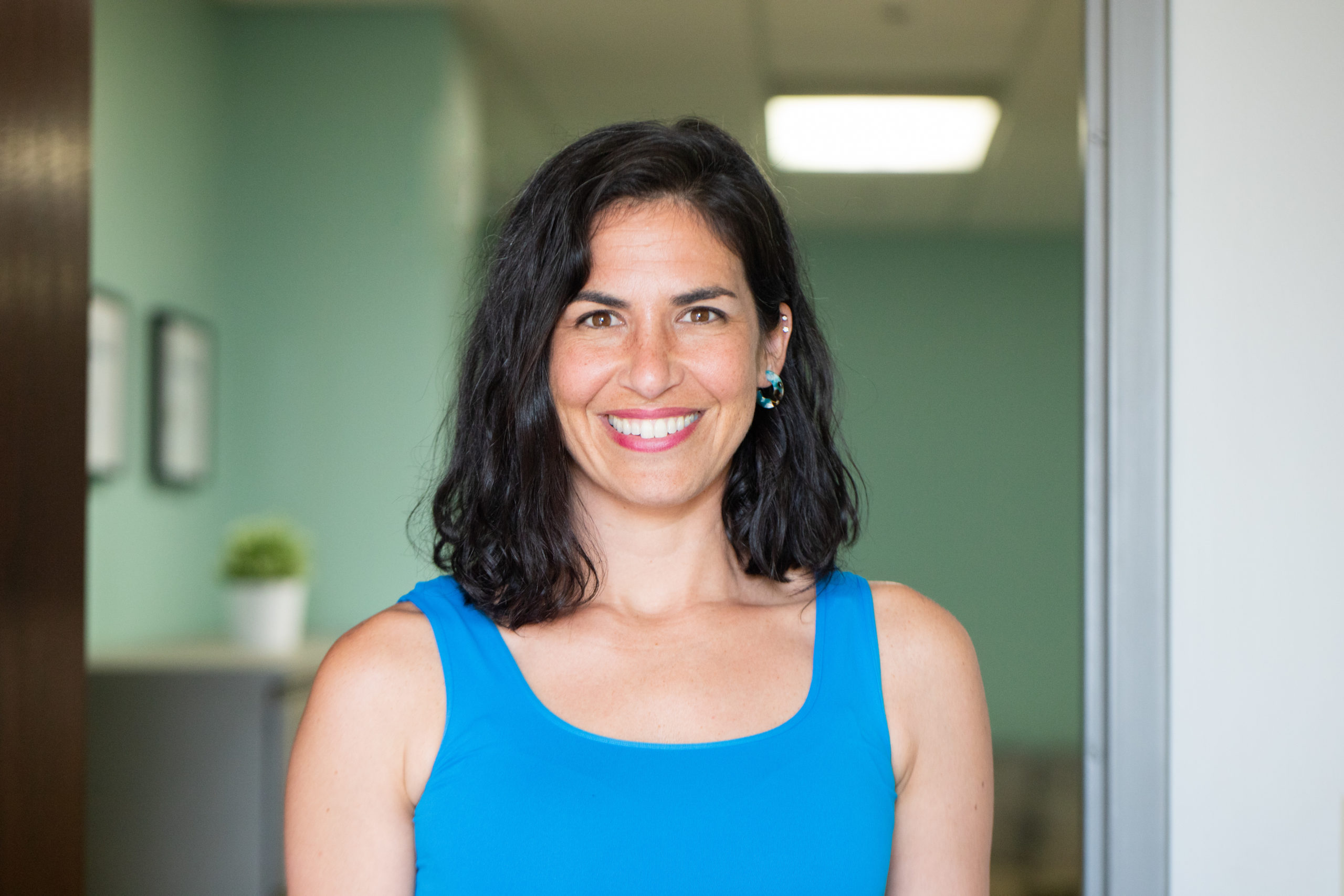
Dana Silverblatt, MA

Dana Silverblatt has served as Director of Community Programs at Behavioral Health Network of Greater St. Louis since 2019. In that role, she helps to shape strategic priorities and guide cross-department initiatives related to behavioral health and community integration. She collaborates with internal and external partners including health systems, state agencies, providers, and community organizations to drive consensus, troubleshoot challenges, and strengthen service delivery. Prior to BHN, Dana dedicated more than a decade of her work to Community Mental Health Centers and Federally Qualified Health Centers in Chicago and the St. Louis region. Through her collective experience, Dana brings an extensive background in project management and program implementation within a safety net in urban, suburban, and rural settings. Dana earned a Masters of Arts in Social Service Administration from the University of Chicago and a Bachelors in psychology from the University of Michigan.

Presentation(s): 

Improving Care for People with Complex Needs: Real Solutions That Make a Difference

Kanila Brown, MA, MS

Kanila is a student in UMSL’s Clinical Psychology PhD program. She earned her BA in Psychology from Talladega College in 2017. In 2019, she earned her MA in Clinical Psychology and MS in Quantitative Psychology at Ball State University. There, her Masters thesis examined social cognitive predictors of substance use and sexual risk behavior among emerging adults. Broadly, Kanila’s interests include understanding behavioral and mental health disparities, predominantly among Black people. More specifically, she is interested in understanding the cultural mechanisms of substance use trajectories among Black people across the lifespan and culturally responsive interventions. Her thesis used qualitative data to build a model of cannabis use among Black adolescents through a social-ecological framework. Her specialty proposed a framework of racialized drug socialization among Black people. Her dissertation will use qualitative methods to identify themes for how Black primary caregivers educate their kids ages 11-17 about drugs and alcohol. The purpose of her study is to reveal intergenerational strategies used by Black caregivers at the intersection of race and drug socialization of Black youth. Her findings will help inform how Black caregivers can educate to their kids about drugs and alcohol and will result in the facilitation of a series of community discussions with Black caregivers in the St. Louis region.

Presentation(s): 

From Research to Practice: Diverse Approaches to Understanding and Addressing Substance Use


Roy Farmer, CPS

Roy Farmer is a Certified Peer Support Specialist with Landmark Recovery, where he has spent the past four years supporting individuals navigating substance use and recovery. Drawing on both professional and lived experience, Roy specializes in building trust, supporting reentry, and connecting individuals to community-based recovery resources.
An integral part of Roy’s personal recovery journey was graduating from the ICTS Program, where he now helps manage the recovery house and supports current residents. He also serves as a peer support provider for a treatment court caseload, working closely with individuals involved in the justice system.
Roy is passionate about meeting people where they are and empowering individuals to build sustainable, long-term recovery.

Presentation(s): 

When Recovery Support Services Meet the Justice System

Jerica Bowman, MSW, LMSW

Jerica Bowman, Licensed Master Social Worker, serves as the Director of Landmark Recovery, a nonprofit she helped found in 2021. Landmark provides recovery support services for substance-involved individuals in the Jefferson City area. Jerica is also the founder of the Capital City Recovery Coalition, which unites local agencies serving individuals impacted by substance use. As a social worker, Jerica is passionate about advocacy and research to implement evidence-based best practices. She is also dedicated to amplifying the voices of Peer Support Specialists, whose lived experience brings invaluable insight to the recovery field.

Presentation(s): 

When Recovery Support Services Meet the Justice System

Improving Care for People with Complex Needs: Real Solutions That Make a Difference

Room: Nautical Wheeler

Speaker(s): 

Dana Silverblatt, MA

Kathleen Murray, MS

Presentation: Millions of Americans are living with complex health-related and social needs, characterized by combinations of chronic illness, functional impairments, mental illness, housing instability, and inadequate social support. As these individuals experience impairments that are cyclical, they often endure further chronic issues, such as food insecurity or ongoing homelessness. This makes receiving adequate support especially challenging, and they frequently enter multiple systems such as health care, social service, behavioral health, law enforcement, courts, housing, and others. Many of these individuals turn toward hospital emergency departments (EDs), which are intended to address acute physical health concerns episodically. Due to the long-lasting and progressive nature of the needs of patients with complex needs, they often leave EDs without having their needs fully met. People with complex needs who frequently utilize hospitals and other systems experience fragmented care and poorer outcomes due to a lack of coordinated, integrated services within their regions. In the St. Louis region, organizations and leaders in healthcare coordination have begun to address this issue in our own community. During this presentation, you will learn about the complexity of this populations needs and solutions with proven results. You will get an in-depth look into two local programs, Hospital to Housing (H2H) and Building Engagement to Address Complex Needs (BEACN), that are using national best practices to improve outcomes for individuals and reduce preventable and costly hospital utilization. You will also learn about the planning and coordination for a complex care model underway that aims to draw lessons learned from the existing programs for a regionwide approach, including opportunities for local and state systems, behavioral health providers, housing supports, advocacy groups, and funders.

Objectives:

  • Identify best practice components of a complex care model
  • Identify at least 3 outcomes/metrics core to St. Louis area complex care programs
  • Describe challenges and opportunities for improving lives of people living with complex health and behavioral health conditions

Slides and Handouts:


From Research to Practice: Diverse Approaches to Understanding and Addressing Substance Use

Room: Nautical Wheeler

Speaker(s): 

Rachel Winograd, PhD

Kanila Brown, MA

Presentation: Bridging substance use related research with clinical practice is essential to improving outcomes, ensuring equitable care, and translating evidence into real-world interventions that reduce overdose risk and promote recovery. By integrating research on contextual insights from affected communities, stigma, and implementation science, clinicians and researchers can develop approaches that are both compassionate and evidence-based, advancing the collective goal of reducing harm and improving quality of life for people who use drugs. There are many ways to study drug use, addiction, and the services designed to address them. In this presentation, Dr. Rachel Winograd, Director of the Addiction Science team and the Addiction, Science, Practice, Implementation, Research and Education (ASPIRE) Lab at the University of Missouri, St. Louis, and four ASPIRE Lab graduate students, will discuss the current landscape of Missouri’s overdose crisis and how they are applying various research methodologies to better understand and improve substance use services. Specifically, they will demonstrate the critical roles of working with medical examiner death data and neighborhood deprivation indices, the value of forming and working closely with a Community Advisory Board to enrich both research and clinical practice, the need to measure and mitigate stigma toward people who use drugs and toward the interventions designed to serve them, and the application of implementation science to improve the adoption and delivery of effective substance use services.

Objectives:

  • Describe recent changes to Missouri’s overdose death trends by region, demographic group, and substance type
  • Discuss the importance of assessing demographic and structural risk factors in individuals substance use outcomes
  • Describe how community advisory boards (CABs) of people with lived experience with drugs may help to enhance substance use research and community-informed practice
  • Recognize the importance of measuring stigma surrounding people who use drugs and associated interventions to better understand its nature, impact, and potential leverage points
  • Define implementation science and describe its primary goals in bridging the gap between substance use service research and practice

Slides and Handouts:


Revealing the Hidden Dynamics of Difficult Cases

Room: Nautical Wheeler

Speaker(s): 

John Carpenter, MSW, LCSW

Presentation: Many times a therapist can feel overwhelmed or “stuck” with a complicated case or lack of helpful information to be able to move forward. This presentation will help the clinician see their own case in a completely new way — exposed by experiential techniques, visual displays, props to illustrate psychological impacts, emotional distance, strength of relations, hidden effect of therapist, metaphorical imagery, and actual emotional ages. These experiential approaches will help the therapist as well as the whole audience to see and feel new ideas to help each difficult case. No identifying names or information is necessary.

Objectives:

  • Describe new experiential techniques for assessing client situations
  • Review one’s case in an experiential manner
  • Use visual props to illustrate relationships
  • To learn how a therapist position might be blocking progress
  • To learn how to use this model for supervising staff’s cases

Slides and Handouts:


When Recovery Support Services Meet the Justice System

Room: Nautical Wheeler

Speaker(s): 

Jerica Bowman, MSW, LMSW

Roy Farmer

Presentation: The justice system often intersects with recovery support services at the point of crisis, when individuals facing addiction, incarceration, or mental health challenges need coordinated support the most. This presentation explores how recovery support services can work hand-in-hand with the justice system at every intercept level to help individuals successfully reintegrate into society.

Presenters will discuss how peer support can reduce recidivism, improve treatment engagement, and build hope for individuals transitioning from incarceration or crisis stabilization back into the community. They will share real-world, firsthand experiences of navigating addiction, achieving long-term recovery, and successfully reentering society, along with insights from their current work in partnership with the criminal justice system in their local community.
Attendees will leave inspired and equipped with practical ideas to strengthen collaboration with their own Crisis Intervention Teams, justice partners, and community recovery networks.

Objectives:

  • Describe how peer support can improve treatment engagement and improve recovery outcomes
  • Identify strategies for integrating peer support within the correctional, court, and crisis intervention settings
  • Utilize practical ways to build strong collaboration with recovery support providers

Slides and Handouts:


A woman with shoulder-length dark hair, wearing a bright blue sleeveless top, smiles at the camera while standing indoors in a light-colored room.

Rachel Winograd, PhD

Rachel Winograd, PhD, is a licensed clinical psychologist, Associate Professor, and Director of Addiction Science at the University of Missouri, St. Louis. Her clinical, research, program development, and advocacy interests revolve around interventions to save and improve the lives of people who use drugs. Currently, she serves as Principal Investigator of the Addiction Science, Practice, Implementation, Research, & Education (ASPIRE) Lab in the Department of Psychological Sciences and directs a grant-funded Addiction Science team of 25 engaged staff, faculty, and students within the Missouri Institute of Mental Health. Her scholarly and implementation work is funded by SAMHSA, NIDA, CDC, the Missouri Foundation for Health, and Missouri’s Opioid Pharmaceutical Settlements through the Missouri Departments of Mental Health and Health & Senior Services. Dr. Winograd and her teams efforts focus on improving overdose prevention, community health, and treatment and recovery services by expanding access to medical treatment, innovative harm reduction strategies, and person-centered approaches to drug use and addiction.

Presentation(s): 

From Research to Practice: Diverse Approaches to Understanding and Addressing Substance Use