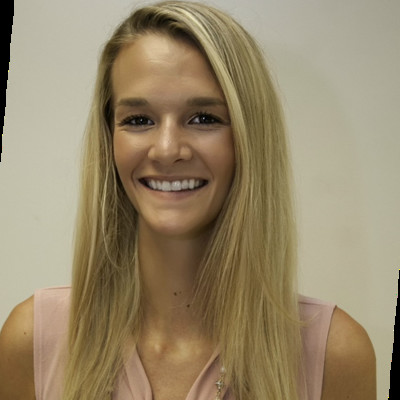
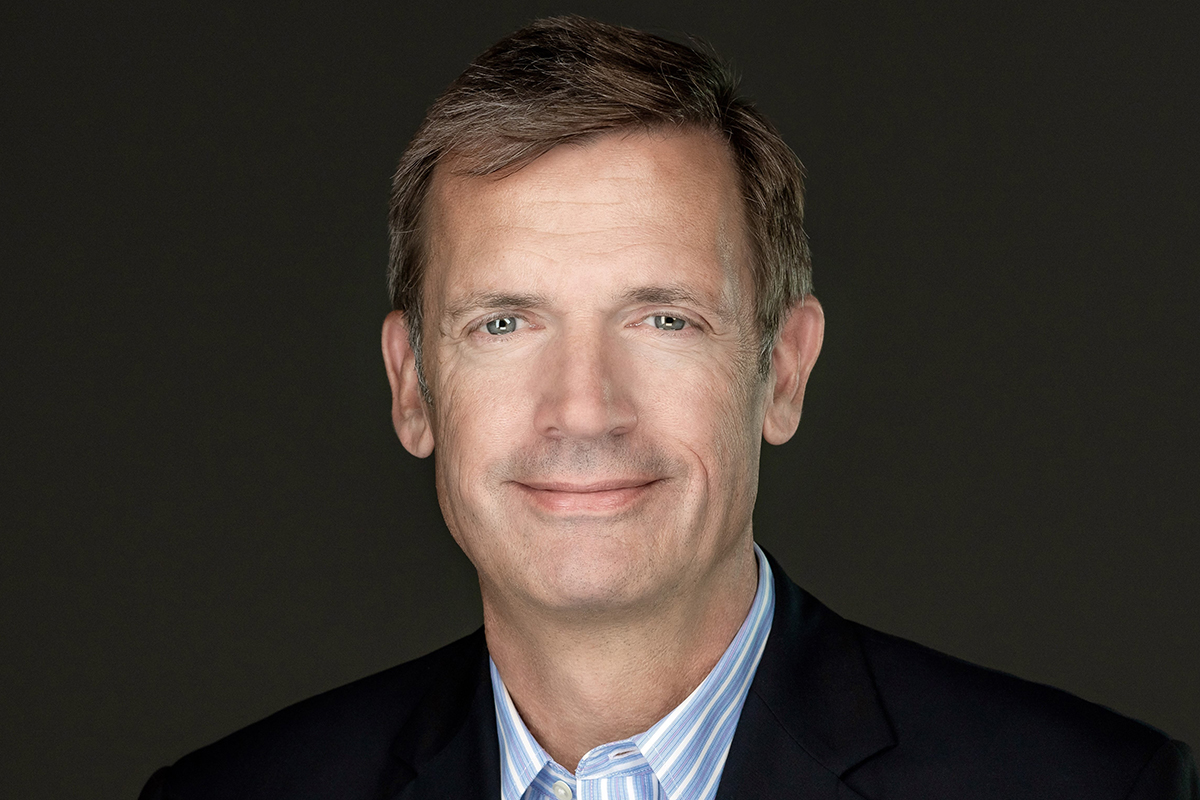
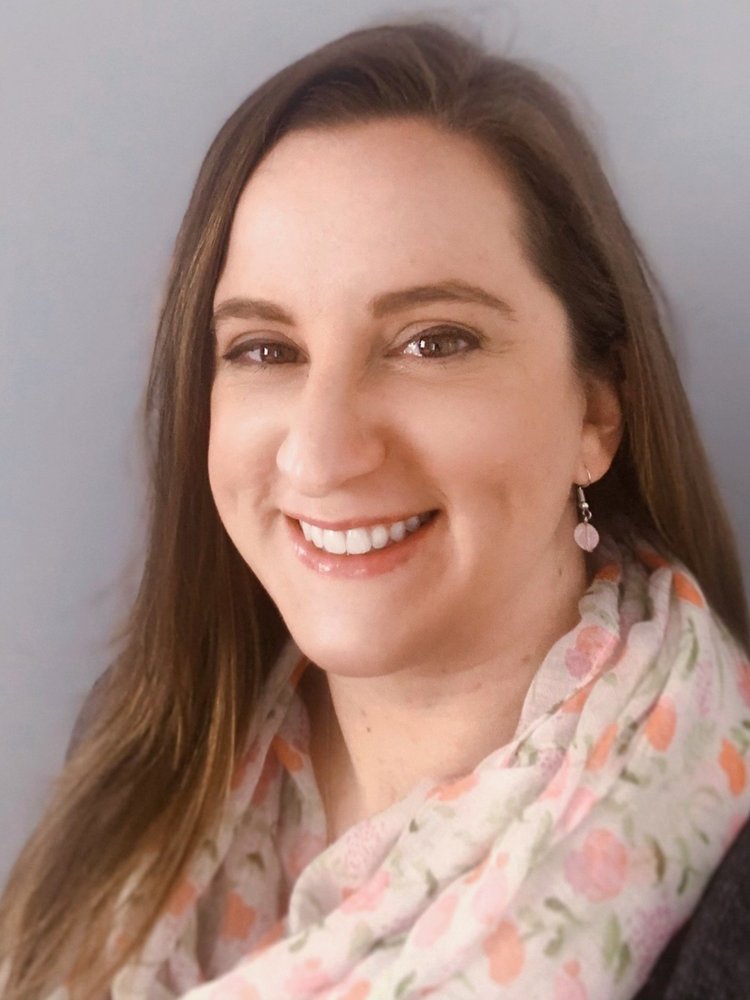
Rapp, Sherry, AAS

Sherry Rapp is a certified Missouri Recovery Support Specialist. For the past three years she has been employed at Recovery Lighthouse as the Family Advocate for the Family Recovery Program. She co-facilitates recovery workshops, the local family support group, holds community events to reduce stigma, and meets with families as needed to provide support and resources. Prior to this job, Sherry worked for other 15 years in the legal community at the Johnson County Circuit Clerks office and 13 years in a private attorney office. She identifies as a mother in recovery and brings her lived experience along with learned skills as MRSS to the role of the Family Advocate at Recovery Lighthouse.

Presentation(s):
Engaging Families in Services: The Family Recovery Program

Burgen, Kailey, BS

Kailey Burgen graduated from the University of Central Missouri with a Bachelor of Science in Child and Family Development and a minor in Psychology. She is a graduate student at the University of Central Missouri’s Human Development and Family Science program with a concentration in Marriage and Family Therapy. Her clinical/research interests include adverse childhood experiences (ACEs) and resilience, addiction in the family, and diversity and social justice. Kailey has multiple years of experience working with children and their families in several professional capacities including being a mentor and social emotional learning specialist at an afterschool program and working in early-childhood education as a preschool teacher.

Presentation(s):

Adverse and Protective Childhood Experiences: Risk and Resilience

Connors, Liz, LCSW, CRADC

Liz Connors is a licensed clinical social worker, certified substance abuse counselor, and clinical program manager with thirteen years of experience in both clinical and research settings addressing substance use, mental health, criminal justice, and the opioid epidemic. Her work primarily focuses on addressing and eliminating barriers to accessing care for people who use drugs, naloxone distribution to high-need populations, and providing harm reduction education and resources to people who use drugs. Her recent work focuses on first responder occupational safety, public health oriented behaviors, and creating collaborative care networks within the scope of the opioid epidemic. Liz has expertise in community coordination, resource collaboration, infrastructure development, and advocacy work across organizational lines. She currently serves as the Director of First Responder and Public Health Programming at the Missouri Institute of Mental Health.

Presentation(s):

Expanding Harm Reduction and Naloxone Access throughout Missouri – Overcoming Objections and Knocking Down Obstacles to Build New Paths Forward

Green, Lauren, MSW

Lauren Green is the Director of Community Harm Reduction Programming at the University of Missouri, St. Louis, Missouri Institute of Mental Health. She has experience working collaboratively with partners across various sectors to reduce overdose mortality and increase access to harm reduction training and resources. Over the past six years, Lauren has worked to create more acceptance of harm reduction as a philosophy and vastly expand access to overdose education and naloxone across the state of Missouri. Lauren’s passion and focus is centered on reducing harm for people who use drugs and addressing stigma and inequalities related to drug use, incarceration, and access to care.

Presentation(s):

Expanding Harm Reduction and Naloxone Access throughout Missouri – Overcoming Objections and Knocking Down Obstacles to Build New Paths Forward

Constantino, John, MD

Dr. John Constantino is a board-certified child and adolescent psychiatrist who specializes in the diagnosis, treatment and prevention of behavioral and mental health conditions of children and adolescents. Dr. Constantino received his medical education at the Washington University School of Medicine in St. Louis and completed a five-year combined residency in Pediatrics, General Psychiatry, and Child and Adolescent Psychiatry at the Albert Einstein College of Medicine in New York.

Presentation(s):

Dual Diagnosis and the Mental Health Parity Problem: Weaving High-Quality Medical, Psychiatric, and Developmental Support into Better Care for Patients and New Standards for Health Systems


Clinical Assessment of Psychotic Patients for Risk of Violence

Speaker(s)

Angeline Stanislaus, MD

Dr. Stanislaus will discuss the prevalence of violence in the Seriously Mentally Ill (SMI) population, and summarize the studies that have examined this issue in various treatment settings and community samples. She will discuss the significance of acute psychotic symptoms such as auditory hallucinations and delusional beliefs in assessing risk of impending violence. She will also discuss early intervention in prevention of violence.


Objectives:

  • Review the prevalence of violent behaviors in the seriously mentally ill patient population.
  • Understand the significance of assessing acute psychotic symptoms and their relevance to risk of violence.
  • Learn early intervention strategies to minimize risk of violence

Slides in PDF format

No Talking, No Problem: Implementing Experiential Treatment for Children with Complex Trauma

Speaker(s)

Amanda Gregory, LPC, NCC

Objectives:

  • Identify children that have experienced complex trauma
  • Learn how complex trauma impacts brain development
  • Discover how children can benefit from experiential treatment
  • Learn a variety of specific simple experiential interventions to utilize with children with complex trauma.
  • Review four case studies of children with complex trauma who received experiential treatment.


Stigma: Its Impact on the Returning Veteran

Speaker(s)

Nathaniel Whiters, MS, LCMFT

Mark Johnson, MS

Lloyd Adams

Stigma: Its Impact on the Returning Veteran will have a Veteran’s personal experience, short videos and a power point presentation.

Objectives:

  • Understand the particular strategies used in the support of military personnel, persons experiencing trauma.
  • Understand Readjustment Counseling Services and its role in reintegrating Veterans back into society.
  • Understand experiences of combat and MST Veterans and their special needs for reintegration.
  • Understand the stigma associated with Veterans returning from combat.

Whiters Stigma Its Impact on the Veteran1D – Slides in PDF format