Behavioral Health Ethics for Private Practice

Room Paradise Ballroom B


Speaker(s): 

Terri Cooley-Bennett, LCSW, LSCSW, CCDP-D, TTS

Description: 

Providing clinical services to vulnerable populations is a common responsibility for practitioners in private practice. Because of the unique challenges experienced, opportunities for ethical dilemmas and even ethical complaints are not uncommon. It is of utmost importance that professionals abide by ethics codes, practice ethically, and apply models of decision making when ethical dilemmas and complaints arise in practice.
This workshop will provide an overview of common ethical principles and will examine the current trends and research regarding ethical complaints and dilemmas in practice and will discuss strategies for preventing and managing these. This workshop meets the ethics requirements for licensure.

Objectives

  • Provide overview of common ethical principles related to behavioral health practice
  • Discuss trends and current research regarding ethical complaints in counseling practice and behavioral health with a focus on private practice
  • Examine strategies and best practices for preventing and managing complaints and ethical dilemmas in practice


Beck, Niels, PhD

Niels C Beck received his PhD in Clinical Psychology from St. Louis University. Currently, he works as a consultant to the State Hospital in Fulton and assists with a variety of applied research and quality improvement projects. Previously, he was a tenured full professor at the University of Missouri Medical School, where he served as vice-chair of the Department of Psychiatry. Dr. Beck and his colleagues at Fulton have done work related to inpatient aggression since the early 1990s.
Presentation(s):

Choate, Alexandria, MA

Allie Choate is a doctoral candidate in clinical psychology at the University of South Florida. She is currently completing her pre-doctoral internship at Fulton State Hospital. Her research focuses on understanding developmental mechanisms that foster the development of borderline personality disorder (BPD) traits, as well as their co-occurrence with other forms of psychopathology and problematic behavior, such as substance use and aggression.
 

Presentation(s):

Are U OK? – An Anti-Stigma Campaign and Healing Sensory Experience.

Room Paradise Ballroom A


Speaker(s): LJ Punch, MDTJ Barber ATR, LPC, Indigo Hann, Sandra Mayen, Amy Miller

Description: 

During this session we will introduce our Are U OK? campaign which serves as an invitation to reframe the concept of drug use into a framework of trauma. This session will present a hands on experience of responding to trauma, overdose, and stress through a sensory experience to include acudetox acupuncture, relaxation techniques, and training on how to approach conversations around overdose risk. #TraumaIsTheRealDrug

Objectives

  • Learn the history of acudetox
  • Name three sources of sensory input for relaxation
  • Identify the presence of trauma in day to day habits
  • Experience deep relaxation

Keynote: Unbreaking Broken Trust – a Holistic Approach to Trauma Healing and Prevention.

Paradise Ballroom ABC


Speaker(s): LJ Punch, MD

Description:

Power4STL is the home of The Bullet Related Injury Clinic and The T, a holistic harm reduction program. During this presentation, founder and executive director, Dr. LJ Punch, will share the Power4STL theory of trauma and approach to holistic healing care. This includes a narrative shifting approach to the impact of bullets and needles in the lives of communities experiencing acute and chronic violence.

Objectives

  • Identify the unique impact of community violence
  • Define Bullet Related Injury
  • Acknowledge symptoms of broken trust
  • Identify opportunities to create a healing environment for those experiencing community violence

Punch, LJ, MD

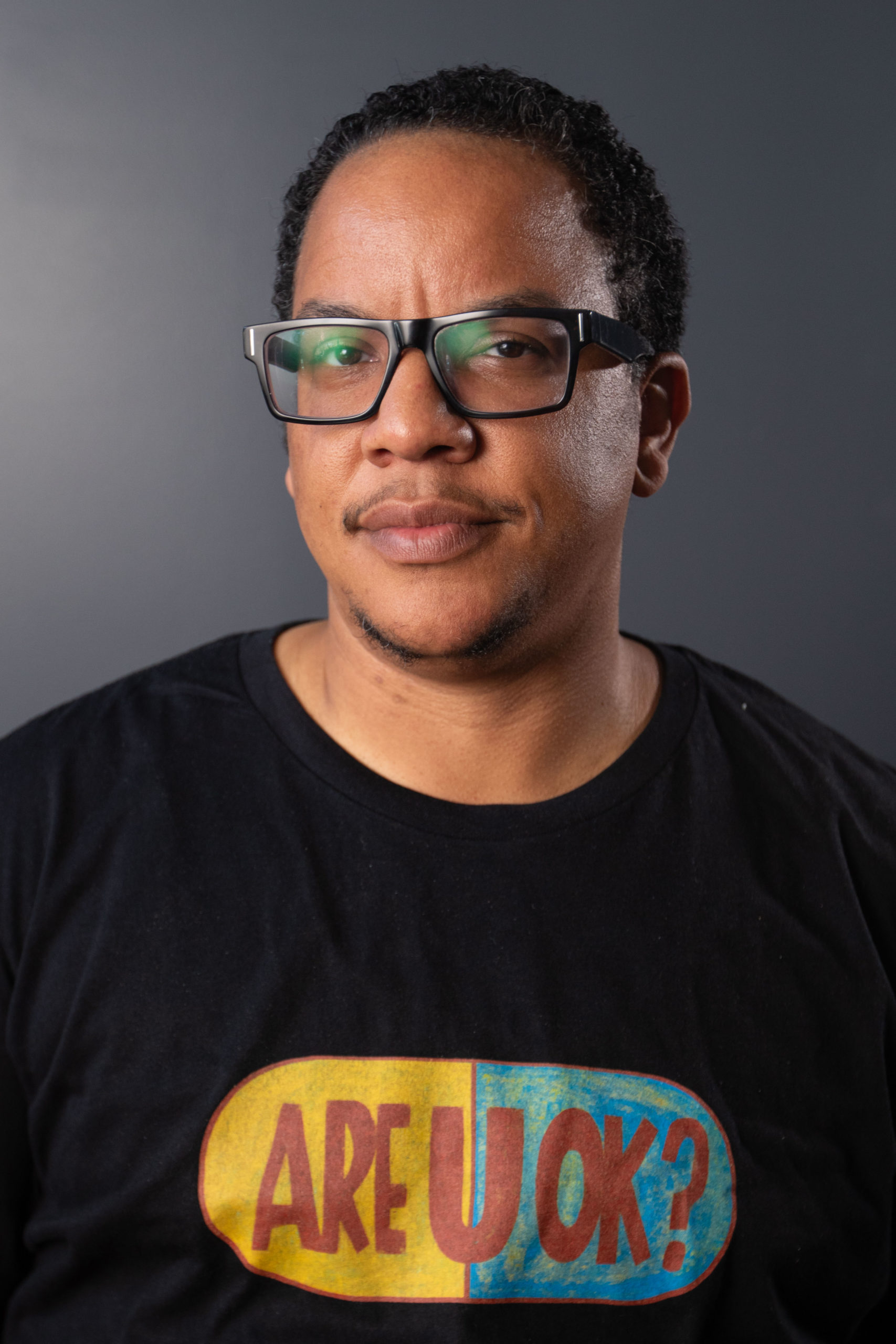
Dr. LJ Punch is a trauma surgeon, aspiring healer, and founder of Power4STL, a community of health working to reduce the impact of trauma in the St. Louis region. This includes the work of The Bullet Related Injury Clinic (BRIC) and The T, a holistic harm reduction program with a focus on overdose risk, both centering the experience of Black masculine bodied people because #BlackPainMaters.
 

Presentation(s):

Keynote: Unbreaking Broken Trust – a Holistic Approach to Trauma Healing and Prevention
 

Are U OK? – An Anti-Stigma Campaign and Healing Sensory Experience

Gargis, Heather, MA, LPC, SEP

Heather Gargis is a Licensed Professional Counselor, Somatic Experiencing Practitioner, EMDR-trained, NeuroAffective Touch therapist, and a Safe & Sound Protocol provider. As a somatic trauma therapist with a focus on working directly with the nervous system, Heather helps clients build capacity for regulation, resilience, and healing from trauma. She has been in private practice since 2019 and is dedicated to addressing complex trauma, childhood abuse and neglect, attachment wounds, dissociation, chronic pain and syndromes, and sexual abuse. She equips clients with practical tools to track their internal sensations, process overwhelming experiences, and develop a sense of safety and empowerment in their daily lives.
 
Heather is passionate about the transformative power of somatics and its ability to support lifelong healing through mind-body integration. She brings warmth, trust, and an inviting curiosity to her work, offering clients a path to shift from surviving to thriving.
Beyond the therapy room, Heather enjoys tennis, conducting research, and playing her banjolele.

Presentation(s):

Somatic Therapies and Trauma: Healing through the Wisdom of the Nervous System 


Psychotherapy with Black Clients: Rumbling with Theory, Feelings, and Meaning-Making PART 1

Parasol I


Speaker(s):

Boddie, Courtney, PhD

Thompson-Gibson, Lisa, MA, MA

Description

From theories of human development (Erickson, Piaget, Kohlberg, Vygotsky) to models of personality and change (Freud, Rogers, Beck, Ellis), most clinicians are taught from a euro-centric worldview. As grounded in Ellis and Deitz’s (2018) contribution of community and environmental factors to the ACES framework, it is imperative that we rumble with the conceptual and affective gaps a euro-centric perspective creates when attempting to work with specific communities, like Black-identified clients.

Expanding on the previous year’s presentation advocating for updates to the ACES framework, part one will support participants in conceptualizing discrimination as a broad community/environmental factor that can disrupt human development and examining the influencing role of discrimination in early childhood development (e.g., access to resources, help-seeking tendencies, development of self-regulatory processes, parenting practices).

In part two, participants will be supported in examining personal biases that are a byproduct of under-education on and underexposure to Blackness. Through the use of art-making, participants will explore personal feelings and meaning to prepare for the refinement of clinical skills.

Objectives

1. Critically examine the clinical implications of the absence of Blackness in the training of mental health providers
2. Grapple with feelings that may impede capacity to humanize Black clients
3. Explore personal meaning surrounding counseling Black clients

Boddie Presentation

Supporting Employment: Helping People with Employment Recovery Goals

-Cancelled-

Parasol II


Speaker(s):

Lynde, David, MSW

Description

Evidenced-based practices like Supported Employment (SE) are not always available to all people in services. This session provides participants with the opportunity to learn about and explore strategies for helping providers of services to be respectful, responsive, and supportive regarding people in services with employment recovery goals. The session will also include lessons learned regarding enhancing agency leadership support for people in services with employment-related recovery goals.

Objectives

1. Describe how some of the practice principles of Supported Employment can be effectively applied in settings where access to Supported Employment is not available.
2. Identify key strategies and techniques for supporting interest in employment services by people in services.
3. Explain the important roles that team members play in helping people in services to be successful with employment-related recovery goals when Supported Employment is not available.

Lynde Presentation

Supported Education: Helping People with Education and Training Goals

-Cancelled-

Parasol II


Speaker(s):

Lynde, David, MSW

Description

This workshop provides an overview of the principles of Supported Education.  The workshop will address some of the strategies and techniques used to support people with mental illness in developing and obtaining their educational goals.

Objectives

1. Participants will identify the basic principles of Supported Education
2. Participants will be able to describe useful educational interventions and strategies.
3. Participants will be able to describe some of the challenges and associated strategies for engaging and working with local secondary school systems.
4. Participants will be able to identify some of the challenges and associated strategies used to help people with mental illness to be successful with post-secondary educational programs.

Lynde Presentation