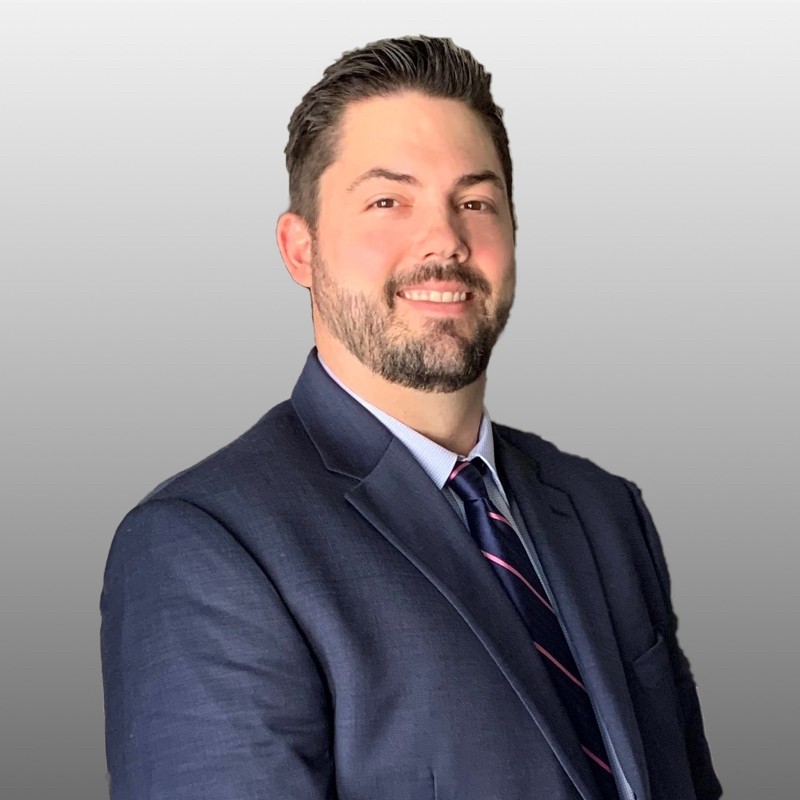
A man with short dark hair and a beard, wearing a navy blue suit, striped tie, and light shirt, smiles at the camera against a plain light gray background.

Tim Wilson, PsyD

Dr. Timothy Wilson is a Licensed Clinical Psychologist who graduated from The School of Professional Psychology at Forest Institute with an emphasis in forensic psychology. He has worked with Missouri Department of Mental Health for nearly 15 years across 4 inpatient facilities and presently the Department’s Central Office. Dr. Wilson has served as a staff psychologist, Certified Forensic Examiner, Annual Evaluator for Sexually Violent Predator, and is presently the Director of Forensic Services. Dr. Wilson’s professional interests include psychological assessment, diagnostic clarification, detecting malingering, and assessing risk for violence. Additional interests include spending time with family, coaching his children’s athletic teams, playing ice hockey, and chess.
 

Presentation(s): 
Introduction to Competency to Proceed

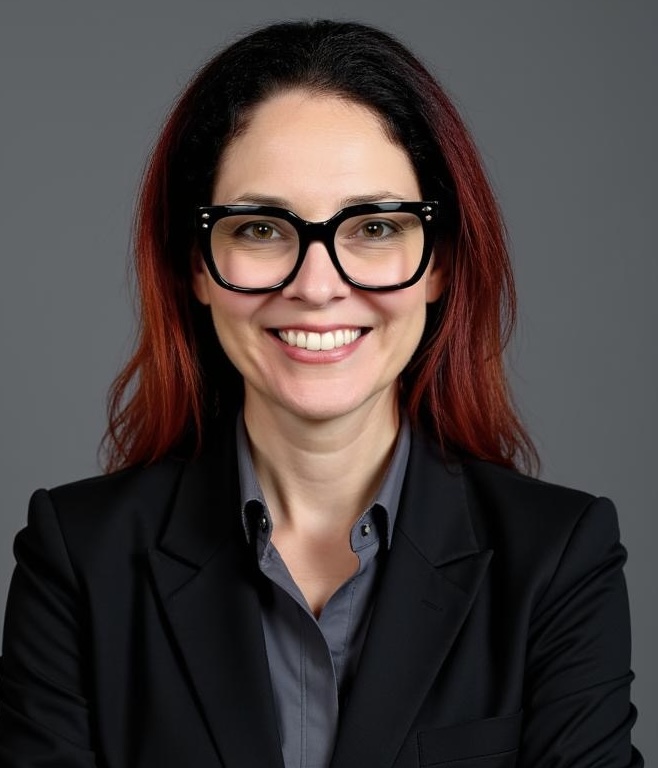
A woman with long dark hair and red highlights, wearing large black glasses, a dark blazer, and a gray shirt, smiles in front of a plain gray background.

Angela Torres, PhD, ABPP

Angela Torres, PhD, ABPP is the Chief Forensic Officer for the Department of Forensic Services at the Virginia Department of Behavioral Health and Developmental Services. In this role, she manages forensic services at the state hospitals, the DBHDS portion of the sexually violent predator program, juvenile justice and behavioral health initiatives, the juvenile competence restoration program, the forensic evaluation oversight system, jail diversion programming, and other state-wide initiatives at the intersection of behavioral health and justice. Dr. Torres is board certified in forensic psychology by the American Board of Professional Psychology. Prior to her current position, Dr. Torres was the Chief Forensic Coordinator at Central State Hospital, the Region IV Jail Team Supervisor, and the DBHDS Forensic Evaluation Oversight Manager. She has experience completing various forensic evaluations in Texas, Virginia, and the Federal system. She is involved in legislation and policy development regarding mental health and criminal justice. Dr. Torres lectures on behalf of DBHDS and the University of Virginia’s Institute of Law, Psychiatry and Public Policy, and routinely collaborates with the ILPPP on research projects addressing Virginia’s forensic services and the practice of forensic evaluations. She is also the Vice Chair of the Forensic Executive Council for NASMHPD and serves on various behavioral health and justice workgroups on the state and national levels.

Presentation(s): 

Community Based Competency Restoration

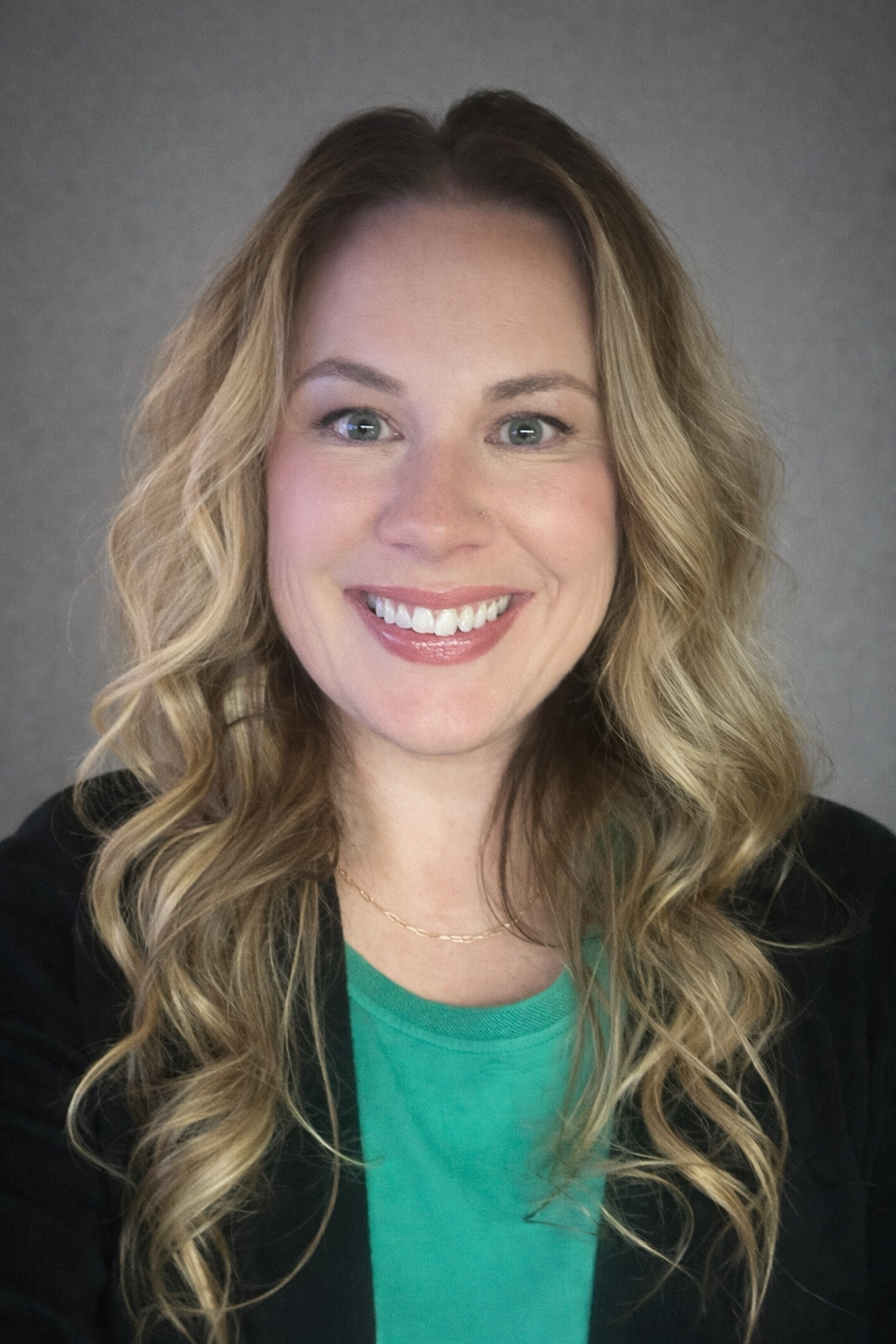
A woman with long, wavy blonde hair smiles at the camera. She is wearing a green top, a black jacket, and a thin gold necklace, with a neutral gray background behind her.

Bethany Van Lant, MSW

Bethany Van Lant is the Chief of Forensic Operations for the Western Region with the Missouri Department of Mental Health, Division of Behavioral Health. She is a Licensed Clinical Social Worker with over a decade of experience in forensic mental health services. Bethany began her career at Fulton State Hospital, where she served as a unit social worker. Over the course of her career, she has held multiple roles within forensic departments across state psychiatric hospitals, developing extensive expertise in the intersection of behavioral health and the criminal justice system. In her current role, Bethany oversees the Forensic Mobile Team, which provides treatment, medication management, and education to individuals found incompetent to stand trial. She also contributes to the development and implementation of forensic procedures across state psychiatric facilities. Her work is centered on expanding access to competency restoration and strengthening systems of care for justice-involved individuals with serious mental illness.

Presentation(s): 

DMH Forensic Mobile Team

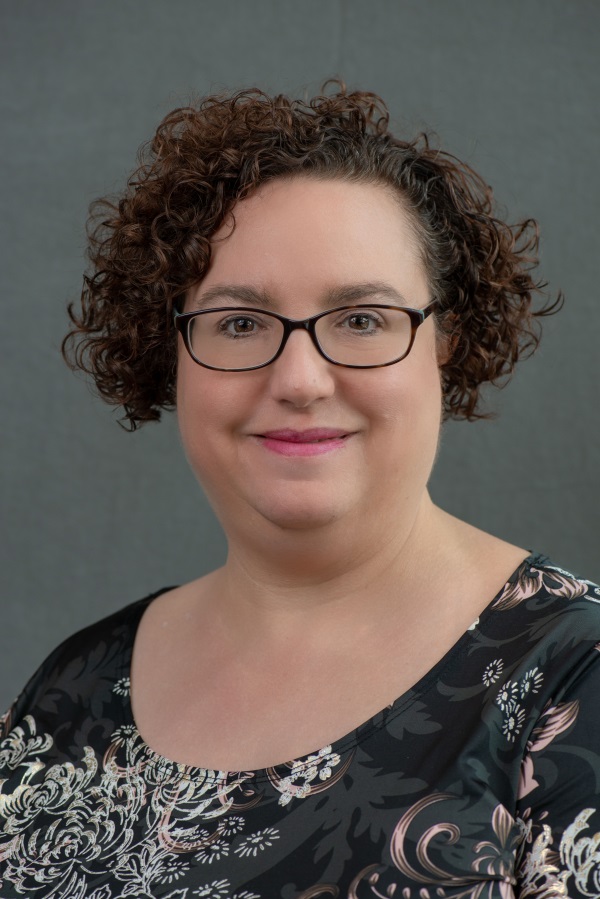
A woman with short curly brown hair and glasses smiles at the camera. She is wearing a black top with a floral pattern, and the background is plain gray.

Nicole Reitz, MSW

Nicole Reitz, LCSW Chief of Forensic Operations DBH Forensic Mobile Team Nikki works at the intersection of the criminal justice system and community mental health, specializing in treating adults with severe mental illness. The Forensic Mobile team provides competency restoration, case management and medication management services to clients that have been found to be incompetent to stand trial. Nikki has been working with clients with persistent and severe mental illness for the three decades. The last two were for the Department of Behavioral Health. Working acute care, competency restorations and specializing in discharge planning for clients coming out of state hospitals. Outside of work Nikki is a wife and mom of two awesome teenagers.

Presentation(s): 

DMH Forensic Mobile Team

Kritika Chauhan, PsyD

Kritika Rajeev Chauhan, Psy.D., is a Clinical Forensic Psychology Postdoctoral Resident at the Center for Behavioral Medicine (CBM) in Kansas City, Missouri. At CBM, she provides competency restoration services, conducts both inpatient and outpatient competency evaluations, and delivers individual and group psychotherapies within a multidisciplinary forensic setting. She will also deliver didactic training and grand rounds. Dr. Chauhan completed her Doctor of Clinical Psychology degree at the Florida Institute of Technology and a full-year forensic internship at Mendota Mental Health Institute, where she gained specialized experience in forensic assessment, risk evaluation, competency restoration, and substance use treatment in maximum- and medium-security settings.
Dr. Chauhan’s research and clinical practice center on understanding psychological concepts within forensic settings. She has contributed to projects examining phenotypic bias in eyewitness identification and psychological influences on plea-bargaining decisions as a graduate student, and her award-winning doctoral research explored fear of crime and somatization among international students. With training in competency assessment, violence risk assessment, and expert testimony preparation, she is deeply committed to strengthening fairness, accuracy, and person-centered values in forensic evaluations and treatment. Her conference presentation highlights practical, evidence-based strategies for recognizing and mitigating bias in forensic practice.

Presentation(s):

Blind Spots in Justice: Recognizing and Reducing Cognitive Bias in Forensic Psychology

Blind Spots in Justice: Recognizing and Reducing Cognitive Bias in Forensic Psychology

Room: Windgate 60-61

Speaker(s):

Kritika Chauhan, PsyD

Presentation: Forensic psychology plays a critical role in shaping decisions that impact justice, safety, and individual lives. Yet even the most skilled professionals are vulnerable to cognitive biases that can subtly influence judgement. This introductory level presentation will examine the most common cognitive biases encountered in forensic settings and review the contextual and systematic factors that contribute to these biases. The session will also identify strategies to reduce the impact of cognitive biases. By fostering awareness and offering mitigating approaches, the session aims to enhance fairness, accuracy, and professional integrity in forensic practice and decision-making.

Objectives:

  • Define common cognitive biases observed in forensic psychology settings
  • Explore individual, organizational, and contextual factors that contribute to the development and reinforcement of cognitive biases
  • Identify practical strategies and interventions to reduce the impact of cognitive biases in forensic practice

Slides and Handouts: