A Trauma-Informed Approach to Psychological Evaluations

Wingate 62-63


Speaker(s):

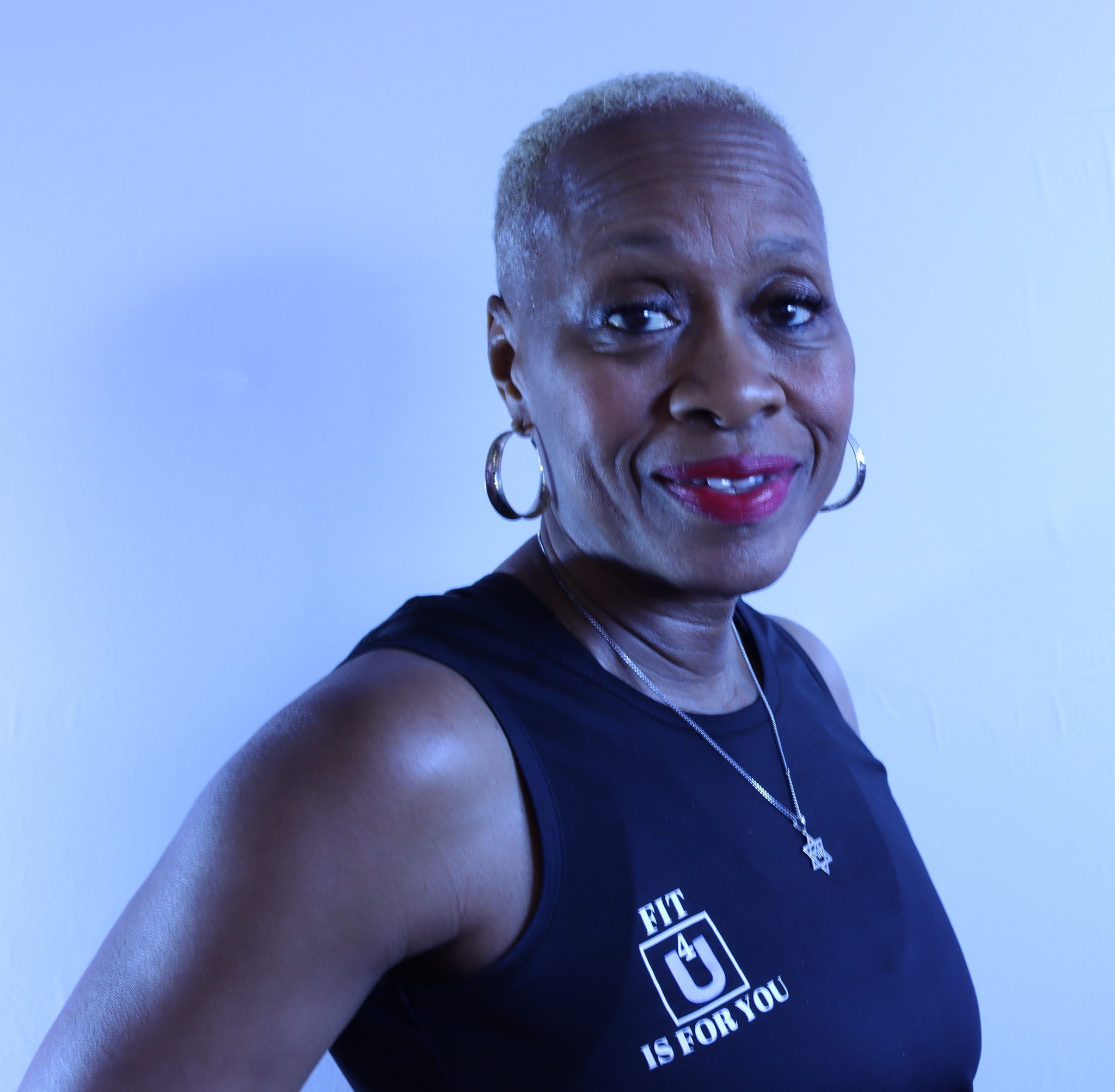
Scaccia, Jamie, PsyD

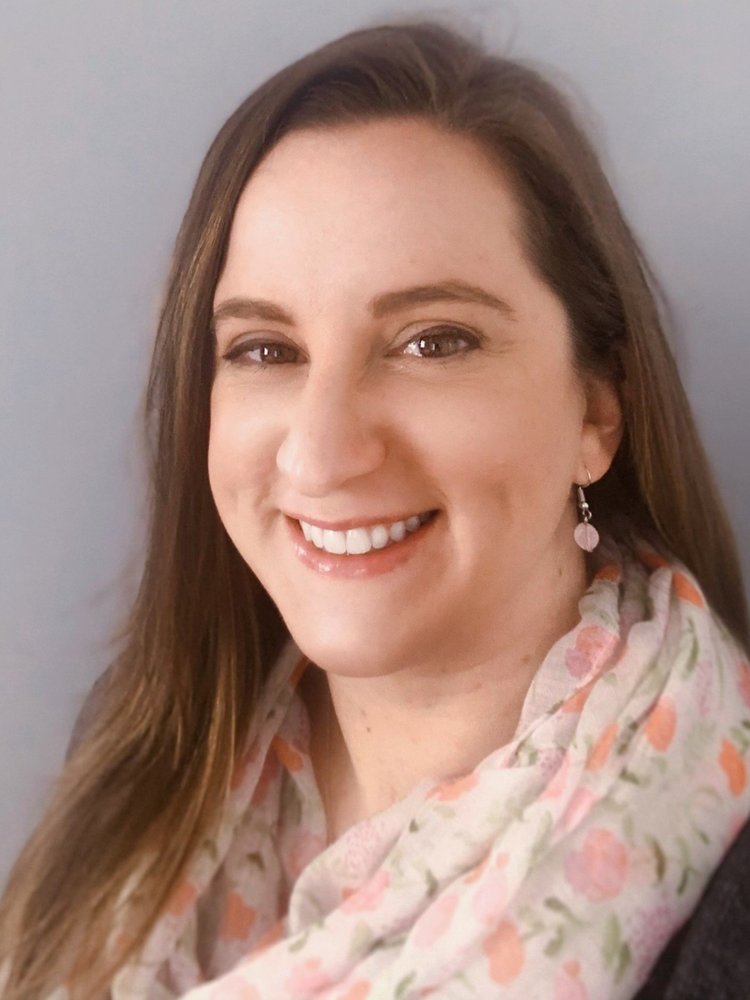
Wilson, Amy, PsyD

Description

Psychological evaluations have a history of being an experience for clients that is sterile, removed, and opaque. In fact, clients are often separated from the process outside of the actual testing session, creating a barrier to fully understanding what is happening with the personal information being shared with their clinician. As a result, it is more difficult to internalize the information that is provided at feedback sessions. Children are especially vulnerable to this process and often times are not even included in feedback sessions at all.

We present a trauma informed approach to conducting psychological evaluations. Utilizing the Neurosequential Model of Therapeutics (NMT; Dr. Bruce Perry), we have adapted the content, frequency, and approach to testing sessions to be more trauma informed, client centered, and educational. Furthermore, we utilize the Therapeutic Assessment Model (Dr. Stephen Finn) to create a process that is collaborative, transparent, and relationally therapeutic for children and their caregivers. This presentation will describe how these models come together in assessment and how they might be extended to ongoing therapeutic care. We will explore a case example from the first point of contact to the feedback session and follow up. Finally, we will review how a relational approach to assessment creates space for honesty, vulnerability, and therapeutic moments that might otherwise be missed in a more typical evaluation.

Objectives

1. Describe how the Neurosequential Model of Therapeutics influences the understanding of developmental trauma on current behaviors.
2. Identify what makes self-care hard to follow through on, despite knowing its value and relationship to secondary trauma and burn out.
3. Practice dosing self-care and outline how it may be implemented in their lives and lives of their clients.

Scaccia Wilson Handout

Wilson Presentation

Maslow’s Hierarchy of Needs as it Relates to Mental Health and Substance Use in a Rural Setting

Paradise Ballroom B


Speaker(s):

Cornell, Alison, MSW

Tobias, Amanda, AA

Tranbarger, Raven, MSW

Description

Substance use and mental health populations have rapidly increased since the pandemic, with numbers increasing to 4 in 10 Americans reporting mental health concerns and 13% of people reporting use of substances. We will be focusing on Substance use before and during the COVID-19 pandemic with emphasis on the impact of underserved communities. With the increased numbers, it has become imperative that we are able to offer individualized treatment to individuals in our communities. By understanding the relationship between Maslow’s Hierarchy of Needs related to the stages of change, we are better able to serve our communities by using this knowledge to provide individualized holistic treatment designed to address barriers that are specific to the rural community before and after the challenges the pandemic has created.

This training will emphasize each level of Maslow’s hierarchy of needs and how it is related to the stages of change. We will examine each stage and how it can both elevate and hinder successful movement during treatment. The training will utilize an open dialogue to engage individuals in the training with case studies as we discuss resources available in rural areas as well as the barriers that are faced as we work with individuals who are engaging in mental health and substance use treatment.

Objectives

1. Discuss the impact of mental health and substance use on individuals.
2. Describe concepts related to stages of change and its relationship in treatment settings.
3. Obtain information on locating resources in a rural setting

Cornell Presentation

Best Practice: Essential Historical and Clinical Knowledge for Counseling Clients from the LGBTQ+ and HIV Communities

Paradise Ballroom A


Speaker(s):

Scarberry, Chris, MA

Description

This presentation focuses upon interventions that work best with marginalized populations and also explores methods that can be problematic and unethical. Attendees will be given a history of the LGBTQ+ community from Stonewall on as well as examples from the presenter’s practice which focuses on working with Queer and Transgender clients. Information will also be provided pertaining to the history of HIV/AIDS as well as how to compose letters for Hormone Replacement Therapy and Gender Affirming Surgeries for transgender clients. The hope is that, making this information more readily available will increase comfort and competence in working with these clients.

Objectives

1. Identify 3 cultural factors common to LGBTQ+ clients.
2. Articulate 4 interventions useful in counseling HIV+ clients
3. Identify 3 interventions/methods counter indicated in working with this population

Scarberry Presentation

Addiction Recovery Support Services: Rationale and Science

Paradise Ballroom ABC


Speaker(s):

Kelly, John, PhD, ABPP

Description

During the past 50 years in the United States we have learned a great deal about the causes, prevalence, clinical course, and impact of alcohol and other drug use disorders, including that these disorders tend to have a long course and even when individuals achieve initial remission, risk for recurrence of the disorder can remain elevated for several years. As a result of this recognition of susceptibility to relapse over the initial years in remission, a variety of community based long-term recovery support service structures have started and grown in order to help individuals manage the considerable stressors that must be managed in the early phases of recovery. This presentation will provide brief contextual overview of what has been learned during the past 50 years of addiction science which has led to the emergence and growth of new models of extended recovery support services that are demonstrating effectiveness and cost-effectiveness in facilitating long-term remission and stable recovery.

Objectives

1. Name two major biobehavioral factors that undermine addiction recovery attempts;
2. Describe three empirically-supported recovery supports services shown to enhance remission rates and its duration
3. Understand the concept and value of recovery capital in the remission process

Rose, Yvette, DNP

Dr. Rose been a faculty member in the nursing department since 2008, teaching in the areas of Mental Health, Transcultural Nursing, and Leadership. She earned her Doctor of Nursing Practice from Governors State University (2015), Master of Science in Nursing (2007) from Governors State University, and Bachelor of Science in Nursing (1998) from Olivet Nazarene University. She holds a Parish Nursing Certificate from Olivet Nazarene University (1999). Her professional nursing experience has been in geriatric nursing, acute and long-term care, mental health, and case management.

Dr. Rose have a strong commitment to mental health (Veterans and African American Father/Loss and Grief), education, community service, diversity, inclusion, and equity.

Presentation(s):

Barbershop Talk: Grief and Bereavement in Black Fathers After the Loss of a Spouse/Partner


Missouri Tobacco Prevention and Control Program

The Tobacco Prevention and Control Program (TPCP) works to reduce deaths and prevent chronic diseases that result from tobacco use.  TPCP strives to improve the health of Missourians by promoting and supporting tobacco-free environments and lifestyles.  TPCP and its partners promote and implement tobacco control interventions, including actions to prevent youth from starting to use tobacco-related products, increase access to smoke/tobacco-free environments, offer programs to help tobacco users quit, and take steps to achieve health equity by eliminating tobacco-related health disparities in different population groups.

website: www.health.mo.gov

Brooks, Estelle, MSW

Estelle Brooks is a certified fitness instructor with a master’s degree in Social Work. Estelle has over 35 years of experience working with individuals from diverse backgrounds. Her professional training as a social worker has allowed her to correlate the importance of mental health status. She is an energetic 69-year-old that finds joy in assisting people individually or in large group settings to achieve optimal health and fitness and life-changing goals. She encourages and supports people to take care of themselves spiritually, mentally, physically, and creatively.

Presentation(s):

YOU GOT TO DO SOMETHING “Balancing Your Life”

Rapp, Sherry, AAS

Sherry Rapp is a certified Missouri Recovery Support Specialist. For the past three years she has been employed at Recovery Lighthouse as the Family Advocate for the Family Recovery Program. She co-facilitates recovery workshops, the local family support group, holds community events to reduce stigma, and meets with families as needed to provide support and resources. Prior to this job, Sherry worked for other 15 years in the legal community at the Johnson County Circuit Clerks office and 13 years in a private attorney office. She identifies as a mother in recovery and brings her lived experience along with learned skills as MRSS to the role of the Family Advocate at Recovery Lighthouse.

Presentation(s):

Engaging Families in Services: The Family Recovery Program

Burgen, Kailey, BS

Kailey Burgen graduated from the University of Central Missouri with a Bachelor of Science in Child and Family Development and a minor in Psychology. She is a graduate student at the University of Central Missouri’s Human Development and Family Science program with a concentration in Marriage and Family Therapy. Her clinical/research interests include adverse childhood experiences (ACEs) and resilience, addiction in the family, and diversity and social justice. Kailey has multiple years of experience working with children and their families in several professional capacities including being a mentor and social emotional learning specialist at an afterschool program and working in early-childhood education as a preschool teacher.

Presentation(s):

Adverse and Protective Childhood Experiences: Risk and Resilience

Connors, Liz, LCSW, CRADC

Liz Connors is a licensed clinical social worker, certified substance abuse counselor, and clinical program manager with thirteen years of experience in both clinical and research settings addressing substance use, mental health, criminal justice, and the opioid epidemic. Her work primarily focuses on addressing and eliminating barriers to accessing care for people who use drugs, naloxone distribution to high-need populations, and providing harm reduction education and resources to people who use drugs. Her recent work focuses on first responder occupational safety, public health oriented behaviors, and creating collaborative care networks within the scope of the opioid epidemic. Liz has expertise in community coordination, resource collaboration, infrastructure development, and advocacy work across organizational lines. She currently serves as the Director of First Responder and Public Health Programming at the Missouri Institute of Mental Health.

Presentation(s):

Expanding Harm Reduction and Naloxone Access throughout Missouri – Overcoming Objections and Knocking Down Obstacles to Build New Paths Forward