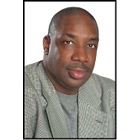
Sanders, Mark, LCSW, CADC
|
Presentation(s):
1. Co-occurring Disorders and Evidence Based Treatment

|
Presentation(s):
1. Co-occurring Disorders and Evidence Based Treatment
Specializing in Adult Inpatient Behavioral Health
website: osagebeachbehavioralhealth.com

Show-Me ECHO (Extension for Community Healthcare Outcomes) uses videoconferencing to connect interdisciplinary teams of experts with primary care clinicians and other professionals.
website: https://Showmeecho.org
The Missouri Eating Disorders Council leads the development of eating disorders education, awareness, and research initiatives throughout the state and promotes increased access to empirically-supported prevention and treatment services.
website: http://moedc.org
Midwest Special Needs Trust (MSNT) provides trust services for persons with disabilities. The organization was established as a result of advocacy by parents and professionals who realized that many obstacles hinder planning for the financial future of individuals with disabilities. The organization was created by statute (RSMo 402.199 – 402.220) in 1989. MSNT is a 501(c)(3) general non-profit organization established for the purpose of administering special needs trusts.
Special needs trusts are a type of trust specifically designed for individuals with disabilities. If properly structured and administered, special needs trusts do not affect an individual’s eligibility for benefits such as SSI or Medicaid.
In addition, MSNT administers the Charitable Trust. Funds of the Charitable Trust are used to provide assistance to individuals with disabilities who meet eligibility and income criteria.
MSNT is governed by a nine member Board of Trustees and its operations are conducted by a five person Staff. Board members are appointed by the governor of the State with advice and consent of the Senate. Six Board members are individuals who have a family member with a disability. Three Board members are individuals with expertise in business. Board members serve without compensation and are appointed to 3 year terms.
MIMH has informed new knowledge that supports the mental health and wellbeing of persons with behavioral health problems through research and evaluation, policy development, technological innovation, and training. Today, MIMH is poised to become one of the country’s finest health services research organizations dedicated to serving the state and the nation by improving the delivery of behavioral health services.
The Missouri Institute of Mental Health’s Professional Training Center creates and implements innovative programming to provide quality behavioral health education to both the general public and service providers. The Center has its roots in the Institute’s Division of Continuing Education, which served the training and education needs of mental health professionals for nearly three decades.
Today, we use a variety of technological tools to offer a multitude of affordable and accessible training programs. Blending formats allows us to deliver important material to a greater number of people than ever before. Our goal is to get quality information to the people who need it.
The Office of Disaster Services (ODS) coordinates behavioral health response for Missourians in disaster situations. To strengthen the Department’s capacity to respond, the Office of Disaster Services coordinates efforts with numerous state agencies including, Homeland Security, State Emergency Management Agency (SEMA), the Department of Health and Senior Services (DHSS), numerous non-governmental and faith-based organizations active in disaster response. When a federal disaster is declared in Missouri, the Office of Disaster Services applies for and administers the FEMA Crisis Counseling Program grant award.
ODS offers disaster preparedness training, Psychological First Aid and Mental Health First Aid training to health care providers, school personnel, community-based volunteer organizations, emergency responders, law enforcement personnel, mental health consumers, and the faith-based community. The ODS also provides informational fact sheets about common reactions to disaster, coping strategies and the emotional impact of disasters for various demographic groups and populations. The Office of Disaster Services is involved in ongoing statewide planning initiatives such as mental health emergency planning, planning for the needs of children, and continuity of operations planning for state agencies, businesses and faith-based organizations.
website: http://www.dmh.mo.gov/disaster
The Department of Mental Health is comprised of three divisions: Behavioral Health, Developmental Disabilities and Administrative Services. Collectively, the divisions work to plan, supervise and evaluate the provision of mental services for Missourians with mental disorders, developmental disabilities, and substance use disorders.
The department makes services available through state-operated facilities and contract agreements. The state-operated facilities include six adult psychiatric hospitals, one children’s psychiatric facility, five long-term-care habilitation centers, 6 regional centers and 6 satellite offices for persons with developmental disabilities, and the central administrative offices.