Madeline Cusimano, MD

Madeline Cusimano, MD is Chief Resident of the Psychiatry Residency at the University of Missouri-Kansas City (UMKC). She earned her medical degree from the University of Iowa Carver College of Medicine and is completing her final year of psychiatry training at UMKC. Her clinical interests include inpatient psychiatry, consult-liaison services, substance use treatment, and perinatal psychiatry. Following graduation, she plans to practice as an inpatient psychiatrist in Kansas City.
Dr. Cusimano has a particular interest in postpartum psychiatric illness, especially postpartum psychosis, and has presented on this topic in departmental Grand Rounds. She has also delivered regional presentations on substance use disorders. Her presentation for the Spring Training Institute focuses on early recognition, systems-based intervention, and care coordination for individuals experiencing severe perinatal mental health conditions.

Presentation(s): 

When Reality Breaks After Birth: Postpartum Psychosis
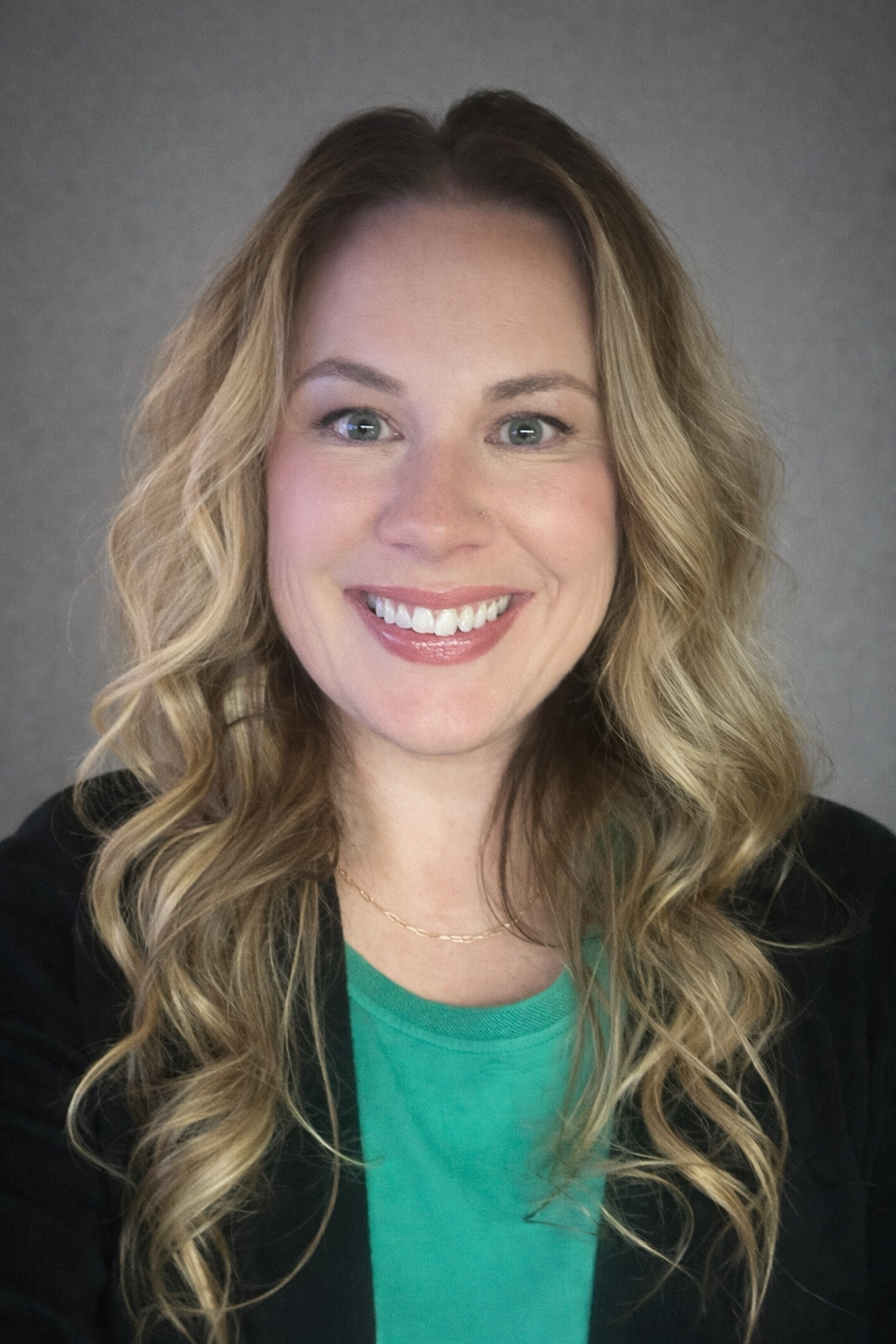
 

A woman with long, wavy blonde hair smiles at the camera. She is wearing a green top, a black jacket, and a thin gold necklace, with a neutral gray background behind her.

Bethany Van Lant, MSW

Bethany Van Lant is the Chief of Forensic Operations for the Western Region with the Missouri Department of Mental Health, Division of Behavioral Health. She is a Licensed Clinical Social Worker with over a decade of experience in forensic mental health services. Bethany began her career at Fulton State Hospital, where she served as a unit social worker. Over the course of her career, she has held multiple roles within forensic departments across state psychiatric hospitals, developing extensive expertise in the intersection of behavioral health and the criminal justice system. In her current role, Bethany oversees the Forensic Mobile Team, which provides treatment, medication management, and education to individuals found incompetent to stand trial. She also contributes to the development and implementation of forensic procedures across state psychiatric facilities. Her work is centered on expanding access to competency restoration and strengthening systems of care for justice-involved individuals with serious mental illness.

Presentation(s): 

DMH Forensic Mobile Team

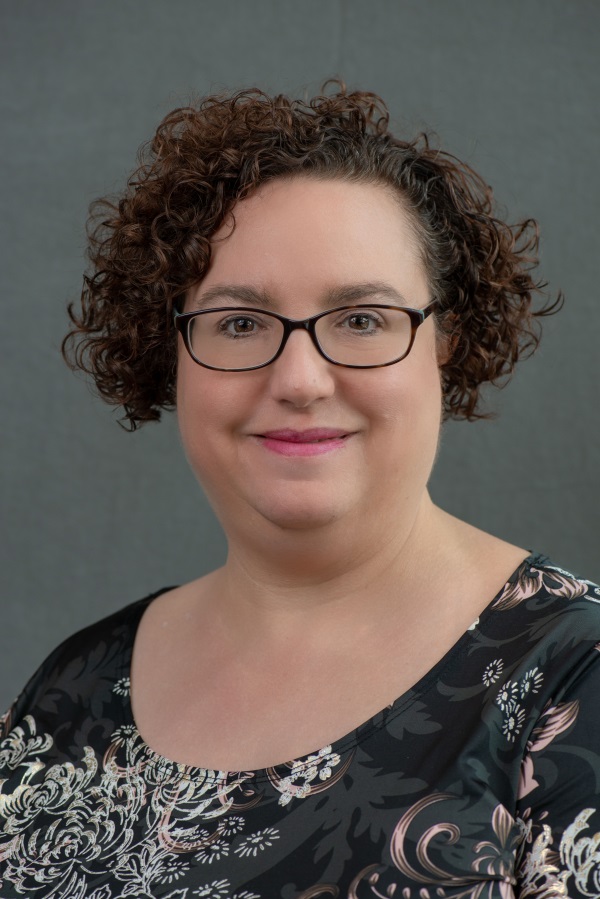
A woman with short curly brown hair and glasses smiles at the camera. She is wearing a black top with a floral pattern, and the background is plain gray.

Nicole Reitz, MSW

Nicole Reitz, LCSW Chief of Forensic Operations DBH Forensic Mobile Team Nikki works at the intersection of the criminal justice system and community mental health, specializing in treating adults with severe mental illness. The Forensic Mobile team provides competency restoration, case management and medication management services to clients that have been found to be incompetent to stand trial. Nikki has been working with clients with persistent and severe mental illness for the three decades. The last two were for the Department of Behavioral Health. Working acute care, competency restorations and specializing in discharge planning for clients coming out of state hospitals. Outside of work Nikki is a wife and mom of two awesome teenagers.

Presentation(s): 

DMH Forensic Mobile Team

Kerri Tesreau, MBA

Kerri Tesreau serves as a Deputy Director of the Missouri Department of Mental Health, where she helps oversee the strategic direction and daily operations of the agency. Kerri is a dedicated public servant with over two decades of experience in high-impact government operations. With a B.S. in Business Management and Marketing and an M.B.A specializing in Public Administration, she has focused on optimizing processes and implementing effective, data-driven solutions for complex government challenges. Kerri has participated in several large-scale initiatives including the COVID-19 pandemic and currently serves as the Department of Mental Health lead for the Rural Health Transformation Grant.

Presentation(s): 

Understanding the Rural Health Transformation Program

Missouri’s Rural Health Transformation Program (RHTP): What’s Included

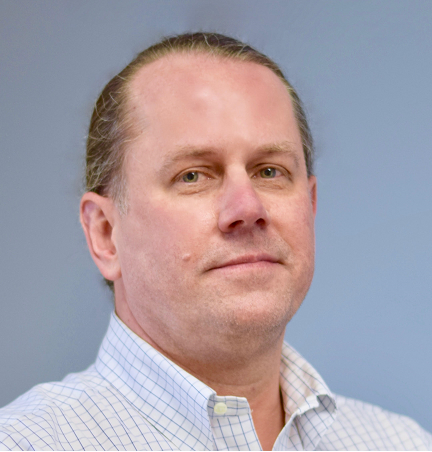
A middle-aged man with light skin and long light brown hair tied back, wearing a white checkered shirt, looks toward the camera with a neutral expression against a plain blue background.

Fred Rottnek, MD, MAHCM

Dr. Rottnek is a Professor and the Director of Community Medicine at Saint Louis University School of Medicine and the Program Director of the SSM Health Saint Louis University Addiction Medicine Fellowship.. His clinical practices include family medicine, addiction medicine, and correctional healthcare. He teaches in the School of Medicine and the School of Law. Board-Certified in Family Medicine and Addiction Medicine, he is the Medical Director for the Assisted Recovery Centers of American (ARCA) and Juvenile Detention in Family Court for the City of St. Louis. He consults with SAMHSA’s Opioid Response Network and the GAINS Center.

Cannabis Breakout

Room: Paradise B

Speaker(s): TBD

Presentation:

Objectives:

Slides and Handouts:


When Reality Breaks After Birth: Postpartum Psychosis
Room: Nautical Wheeler

Speaker(s):

Madeline Cusimano, MD

Presentation: Postpartum psychosis is a rare but severe maternal mental health condition that can emerge rapidly after childbirth and requires coordinated intervention across healthcare and community systems. This presentation will review core clinical features, risk factors, and early warning signs, with emphasis on distinguishing postpartum psychosis from more common perinatal mood disorders. Case examples will illustrate how symptoms may present across obstetric, emergency, outpatient, and child welfare settings.

The session will focus on the maternal health continuum of care, highlighting practical strategies for early identification, safety planning, interdisciplinary collaboration, and prevention of escalation. System-level considerations – including care fragmentation, access to perinatal psychiatric services, and coordination with families and caregivers – will be discussed to support professionals working across behavioral health, medical, and community settings.

Objectives:

  • Describe the epidemiology, clinical presentation, and diagnostic framework of postpartum psychosis (PPP)
  • Differentiate PPP from postpartum OCD, severe postpartum depression, and primary psychotic disorders
  • Review evidence-based acute treatment and relapse-prevention strategies, including lithium, antipsychotics, and electroconvulsive therapy (ECT)
  • Recognize suicide and infanticide risk using a prevention-focused, evidence-based framework.
  • Apply systems-level and family-centered strategies to the care of patients at high risk for PPP.

Slides and Handouts:


Missouri’s Rural Health Transformation Program (RHTP): What’s Included

Room: Paradise C

Speaker(s):

Kerri Tesreau, MBA

Presentation: This session will walk participants through Missouri’s Rural Health Transformation Program (RHTP) application. The presentation will outline Missouri’s efforts under five distinct pillars: Regional Coordination Networks; Alternative Payment Models; Digital Backbone, Rural Health Workforce Programs; and Provider Transformation.

Objectives:

  • Describe Missouri’s RHTP Application
  • Explain Missouri’s RHTP budget
  • Discuss how to get involved in RHTP

Slides and Handouts:


Get Comfortable Being Uncomfortable: Conversational Approaches to Changing Alcohol Behavior

Room: Paradise A

Speaker(s):

Fred Rottnek, MD

Presentation: Changing alcohol behaviors is not easy. These conversations can be uncomfortable, but they are where real progress begins. In Get Comfortable Being Uncomfortable: Conversational Approaches to Changing Alcohol Behavior, an addiction medicine physician and a certified peer specialist will demonstrate practical, compassionate strategies for engaging individuals in meaningful discussions about alcohol use. Participants will explore evidence-based tools for supporting alcohol reduction, practice motivational interviewing and screening techniques, and learn how to collaborate across professional roles to promote healthy choices. The session will also highlight community and policy-level interventions that make lasting impact possible.

Objectives:

  • Review evidence-based and best-practice approaches to support alcohol reduction
  • Apply screening and motivational techniques effectively
  • Utilize the talents of professional team members in promoting healthy habits
  • Identify community and policy strategies that work

Slides and Handouts: