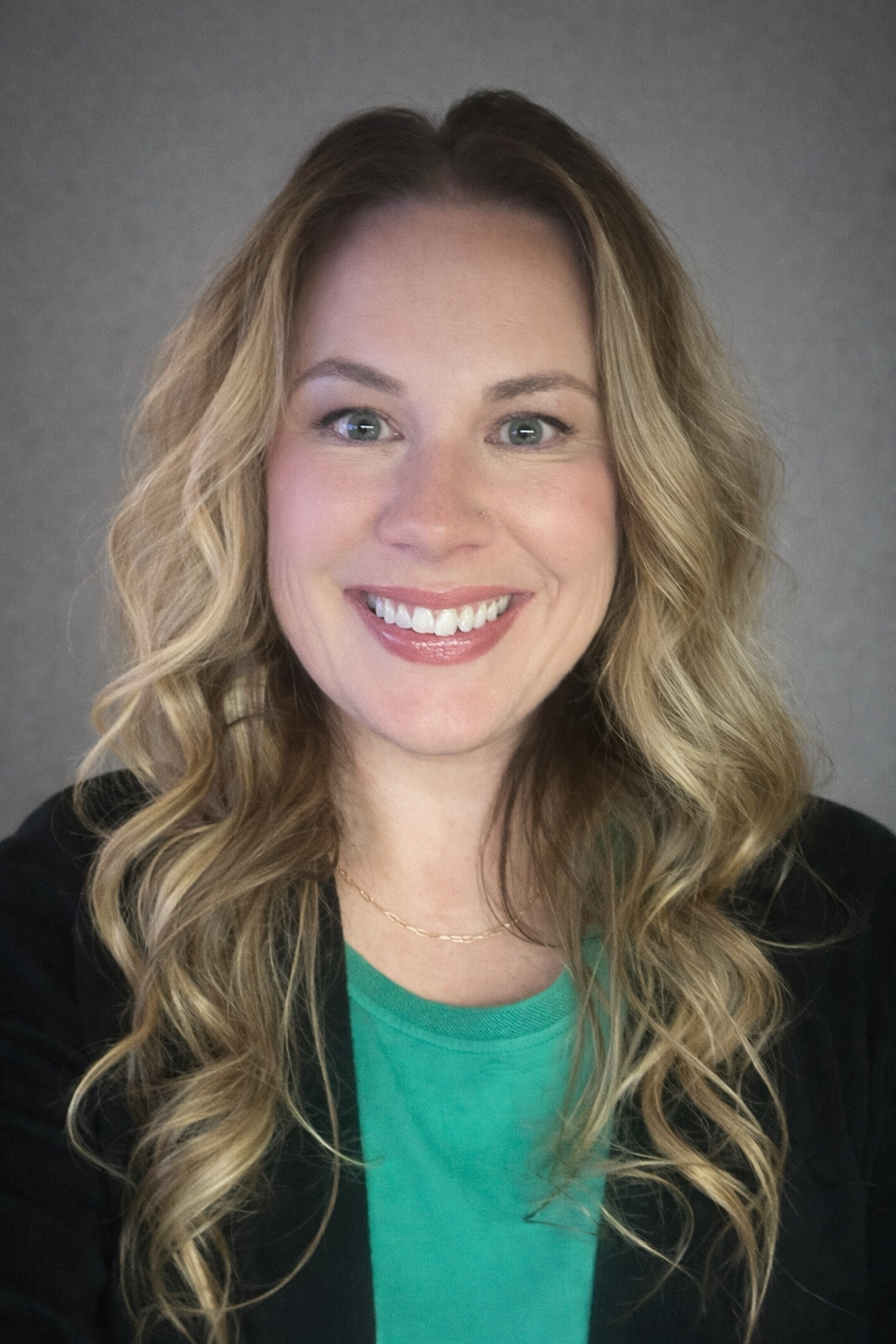
A woman with long, wavy blonde hair smiles at the camera. She is wearing a green top, a black jacket, and a thin gold necklace, with a neutral gray background behind her.

Bethany Van Lant, MSW

Bethany Van Lant is the Chief of Forensic Operations for the Western Region with the Missouri Department of Mental Health, Division of Behavioral Health. She is a Licensed Clinical Social Worker with over a decade of experience in forensic mental health services. Bethany began her career at Fulton State Hospital, where she served as a unit social worker. Over the course of her career, she has held multiple roles within forensic departments across state psychiatric hospitals, developing extensive expertise in the intersection of behavioral health and the criminal justice system. In her current role, Bethany oversees the Forensic Mobile Team, which provides treatment, medication management, and education to individuals found incompetent to stand trial. She also contributes to the development and implementation of forensic procedures across state psychiatric facilities. Her work is centered on expanding access to competency restoration and strengthening systems of care for justice-involved individuals with serious mental illness.

Presentation(s): 
DMH Forensic Mobile Team

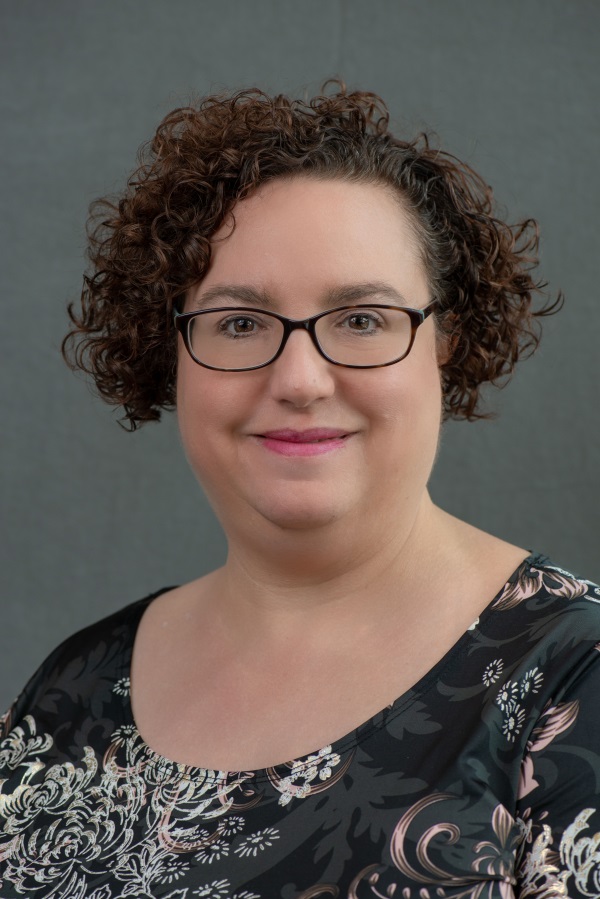
A woman with short curly brown hair and glasses smiles at the camera. She is wearing a black top with a floral pattern, and the background is plain gray.

Nicole Reitz, MSW

Nicole Reitz, LCSW Chief of Forensic Operations DBH Forensic Mobile Team Nikki works at the intersection of the criminal justice system and community mental health, specializing in treating adults with severe mental illness. The Forensic Mobile team provides competency restoration, case management and medication management services to clients that have been found to be incompetent to stand trial. Nikki has been working with clients with persistent and severe mental illness for the three decades. The last two were for the Department of Behavioral Health. Working acute care, competency restorations and specializing in discharge planning for clients coming out of state hospitals. Outside of work Nikki is a wife and mom of two awesome teenagers.

Presentation(s): 

DMH Forensic Mobile Team

Mariana Edwards, MD

Dr. Edwards earned her Medical Degree from the University of Lisbon Faculty of Medicine in Portugal, where she completed an integrated master’s degree on Bipolar Disorder and Creativity, reflecting an early interest in the intersection of psychiatric illness and human experience.
Since joining UMKC Psychiatry Residency Program in 2022 she has worked across inpatient, outpatient, community, forensic and consultation liaison settings. She earned the honor of Resident of the Year for the 2024-2025 academic year. She has contributed with scholarly work including a case report on clozapine-associated myocarditis and pancreatitis. She strives to understand patients within their personal and cultural contexts and loves to talk about the importance of patient and family centered interventions in psychiatry across all diagnoses, and most specifically in schizophrenia.
She feels honored to provide mental health care to the population of Kansas City and to present on the topic of Neurocognitive Dysfunction in Schizophrenia.

Presentation(s): 

Neurocognitive Dysfunction in Schizophrenia: an Updated Review

Kerri Tesreau, MBA

Kerri Tesreau serves as a Deputy Director of the Missouri Department of Mental Health, where she helps oversee the strategic direction and daily operations of the agency. Kerri is a dedicated public servant with over two decades of experience in high-impact government operations. With a B.S. in Business Management and Marketing and an M.B.A specializing in Public Administration, she has focused on optimizing processes and implementing effective, data-driven solutions for complex government challenges. Kerri has participated in several large-scale initiatives including the COVID-19 pandemic and currently serves as the Department of Mental Health lead for the Rural Health Transformation Grant.

Presentation(s): 

Understanding the Rural Health Transformation Program

Missouri’s Rural Health Transformation Program (RHTP): What’s Included

Johna Trapani, MEd, LPC

Johna Trapani, a native of Wichita, Kansas who grew up in Jefferson City, Missouri, attended the University of Missouri- Columbia. Majoring in Families and Lifespan Development with a Multicultural Studies certificate, she graduated from MU in 2013 and remains a life-long Tigers fan. While attending Stephens College for her Master’s Degree in Education, she joined the state of Missouri as a Probation and Parole Officer with the Department of Corrections in 2015. After graduating in 2018, Johna went on to serve the Department of Social Services, the Department of Health and Senior Services, and the Department of Mental Health where she is the Homelessness Services Coordinator for the Division of Behavioral Health. An avid runner, artist, and mother of two, Johna enjoys an active life full of laughter, creativity, and a healthy dose of chaos each day.

Presentation(s): 

Quitting vs. Thriving: Flipping the Script on Alcohol Reduction Education

Room: Paradise A

Speaker(s):

Fred Rottnek, MD

Presentation: Flipping the Script on Alcohol Reduction Education is an interactive session that reframes alcohol counseling around health gains rather than deprivation. Participants will explore concrete health benefits of cutting back, learn how even small reductions in drinking improve well-being, and practice asking patients about their own goals for change. The session will also highlight practical strategies and medications that clinicians can implement to support patients reduce alcohol use in a patient-centered, collaborative way.

Objectives:

  • Identify specific health benefits of reducing alcohol consumption
  • Discuss that any reduction in drinking provides health benefits
  • Ask individuals about their goals in changing their alcohol
  • Implement or support medications to reduce alcohol use

Slides and Handouts:


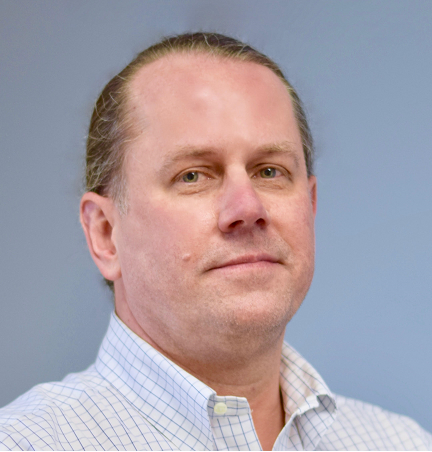
A middle-aged man with light skin and long light brown hair tied back, wearing a white checkered shirt, looks toward the camera with a neutral expression against a plain blue background.

Fred Rottnek, MD, MAHCM

Dr. Rottnek is a Professor and the Director of Community Medicine at Saint Louis University School of Medicine and the Program Director of the SSM Health Saint Louis University Addiction Medicine Fellowship.. His clinical practices include family medicine, addiction medicine, and correctional healthcare. He teaches in the School of Medicine and the School of Law. Board-Certified in Family Medicine and Addiction Medicine, he is the Medical Director for the Assisted Recovery Centers of American (ARCA) and Juvenile Detention in Family Court for the City of St. Louis. He consults with SAMHSA’s Opioid Response Network and the GAINS Center.

Kritika Chauhan, PsyD

Kritika Rajeev Chauhan, Psy.D., is a Clinical Forensic Psychology Postdoctoral Resident at the Center for Behavioral Medicine (CBM) in Kansas City, Missouri. At CBM, she provides competency restoration services, conducts both inpatient and outpatient competency evaluations, and delivers individual and group psychotherapies within a multidisciplinary forensic setting. She will also deliver didactic training and grand rounds. Dr. Chauhan completed her Doctor of Clinical Psychology degree at the Florida Institute of Technology and a full-year forensic internship at Mendota Mental Health Institute, where she gained specialized experience in forensic assessment, risk evaluation, competency restoration, and substance use treatment in maximum- and medium-security settings.
Dr. Chauhan’s research and clinical practice center on understanding psychological concepts within forensic settings. She has contributed to projects examining phenotypic bias in eyewitness identification and psychological influences on plea-bargaining decisions as a graduate student, and her award-winning doctoral research explored fear of crime and somatization among international students. With training in competency assessment, violence risk assessment, and expert testimony preparation, she is deeply committed to strengthening fairness, accuracy, and person-centered values in forensic evaluations and treatment. Her conference presentation highlights practical, evidence-based strategies for recognizing and mitigating bias in forensic practice.

Presentation(s):

Blind Spots in Justice: Recognizing and Reducing Cognitive Bias in Forensic Psychology

Legalization of Sports Betting in Missouri—Now What? Clinical Perspectives on Gambling Disorder

Room: Paradise B

Speaker(s): 

Jeremiah Weinstock, PhD, ABPP

Presentation: Gambling opportunities are rapidly expanding across the United States with many states legalizing sports betting, online gambling, and casinos. Gambling disorder affects about 2% of the general population. These individuals, their families, and communities experience significant harm due to their maladaptive gambling behavior. This workshop will review gambling disorder and its causes, identify high-risk populations, and discuss evidenced-based treatment options for individuals and families. Case studies of sports betters will be used as part of an active learning component of the presentation.

Objectives:

  • Describe the gambling disorder criteria and how they are similar and dissimilar to the criteria for substance use disorders.
  • Identify two populations that are at a higher risk of developing the disorder and identify at least two underlying factors to contribute to this increased risk
  • Discuss how research findings about motivational interviewing and cognitive behavioral therapy generalize to clinical practice

Slides and Handouts:


Presence is Power: The Fearless Leader’s Secret Weapon

Room: Paradise C

Speaker(s): 

Stacy Spradling, PHR

Presentation: Leadership today requires more than strategy and execution. Good leadership calls for presence. In this 45-minute breakout session, we go beyond the basics of active listening and body language to explore what it truly means to be a fearless leader through the power of practiced presence.

Presence isn’t about slowing down, it’s about showing up.
The impact doesn’t end at the office. Practicing presence enhances your personal life, deepens connections, and sharpens clarity. It won’t make tough conversations easy, but it will make you the kind of leader who brings calm, courage, and clarity into every room.
If you’re ready to lead with more humanity and more impact, this is your quick dive into the art and science of practicing presence.

Objectives:

  • Describe how grounded, intentional presence can be a quiet game changer in the boardroom, during performance reviews, and in difficult conversations
  • Practice some simple grounding techniques to jump start your journey
  • Discover how presence creates space for vulnerability, gentleness, and authenticity. All qualities that transform how you lead and how your teams respond

Slides and Handouts: