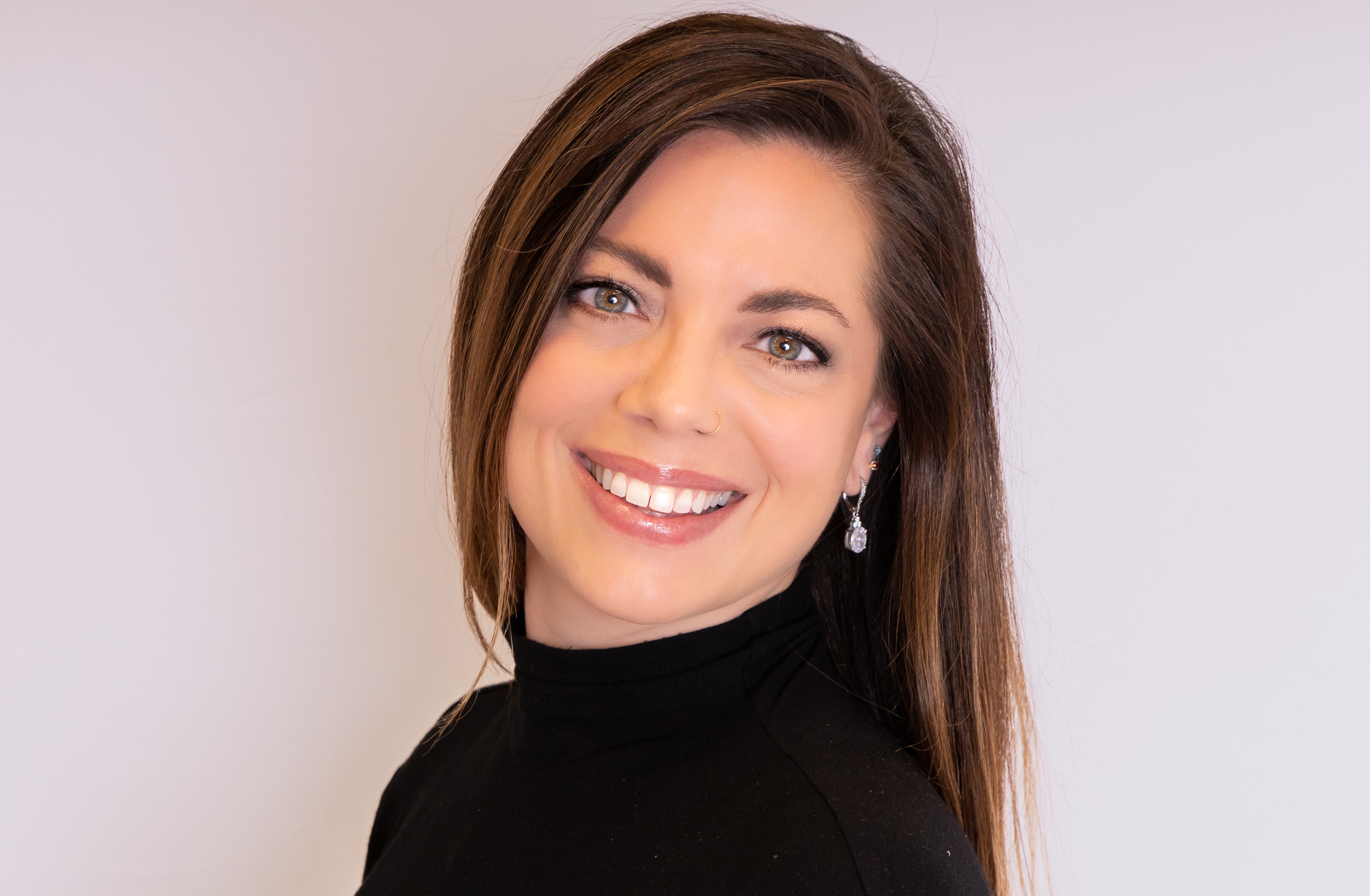
Hobson, Trisha, LPC, MA

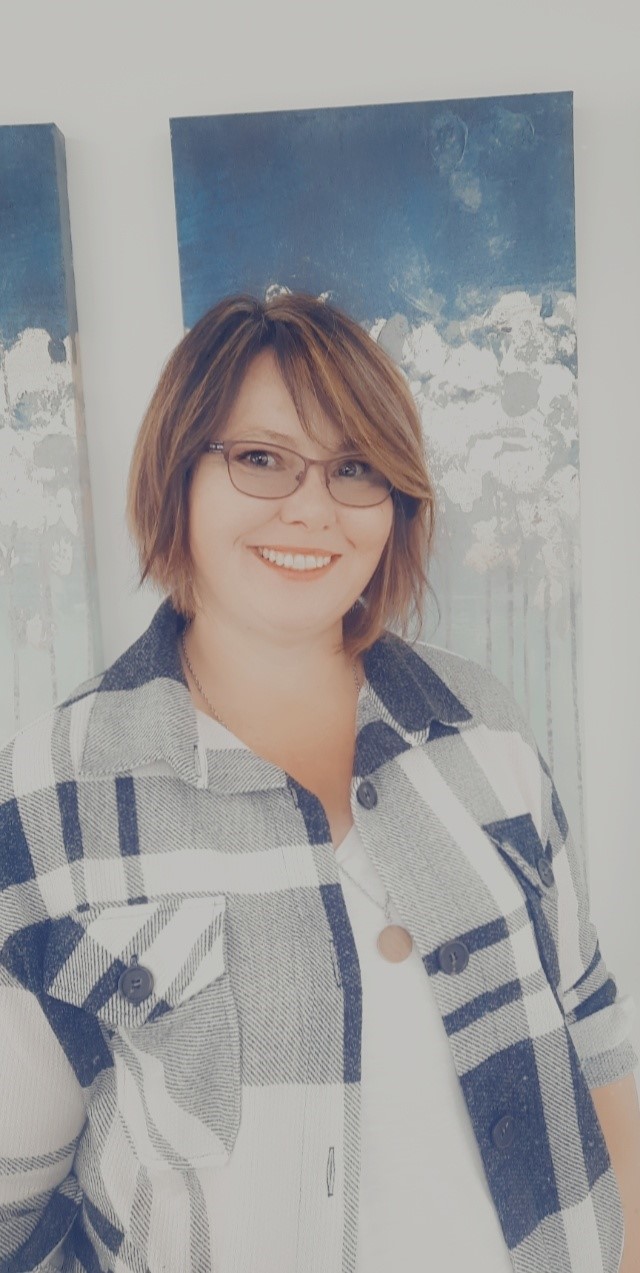
Trisha Hobson is a Licensed Professional Counselor who has been practicing therapy in the St. Louis, Missouri area for 15 years. Trisha provides outpatient mental health services to children, teens, and parents/caregivers and has clinical experience in the areas of child trauma, child maltreatment, children with intellectual and developmental disabilities, child Anxiety and OCD, children and teens with ADHD, and children with emotional and behavioral difficulties. Trisha also provides support to parents and caregivers as they navigate stressors related to parenting a child with developmental and/or medical needs, as well as works with parents and caregivers to help strengthen parent-child attachment and connection through supportive experiences and interactions. Trisha utilizes a variety of therapeutic interventions, such as Cognitive Behavioral Therapy, Motivational Interviewing, Sandtray Play Therapy and other Play-based therapeutic interventions. Trisha believes strongly in treatment for children and families that is supported by research and shown to be effective, and is a Parent-Child Interaction Therapy (PCIT) International Certified Therapist and Level 1 Trainer, a Missouri Rostered Trauma-Focused Cognitive Behavioral Therapy (TF-CBT) Clinician, and trained in Supportive Parenting for Anxious Childhood Emotions (SPACE).

Presentation(s):

Parent-Child Interaction Therapy: Supporting Children With Developmental Disabilities
Le’Anne Schlotzhauer, BS

Le’Anne has dedicated over 30 years to the field of intellectual and developmental disabilities, beginning her career as a direct support professional before moving into staff education. For a total of 25 years, she has served in the Staff Education Department at Emmaus, where she develops curriculum and delivers training that equips staff with the tools to provide compassionate, high-quality care.
She holds a Bachelor of Science degree from the University of Central Missouri, is a Certified Autism Specialist, and has earned a Trauma-Informed Care Certificate from the Trauma Informed Care Training Center. With experience leading teams, designing curriculum, and presenting in both live and virtual settings, Le’Anne is driven by a passion for teaching and sharing knowledge that strengthens the workforce serving individuals with IDD.

Presentation(s):

Preventing Burnout Through the Power of Fun

Trauma Informed Care for Supervisors

Wilson, Amy, PsyD

Dr. Amy Wilson is a licensed psychologist who’s conducted psychological evaluations with children for over ten years in the St. Louis community. Dr. Wilson is certified in the Neurosequential Model of Therapeutics (NMT) and specializes in evaluating foster and adopted children who’ve experienced trauma. For evaluations, Dr. Wilson takes a collaborative approach in working with caregivers and providers to conceptualize how early trauma has impacted a child’s social, emotional and behavioral development. Furthermore, Dr. Wilson has interests in enhancing support for traumatized children in schools, working with caregivers to better understand their child, and program development.

Presentation(s):

A Trauma-Informed Approach to Psychological Evaluations

Using “Dosing” as a Model for Self-Care: Clinicians and Clients Alike

Scaccia, Jamie, PsyD

Dr. Jamie Scaccia is a clinical psychologist from St. Louis, Missouri. Her career has been dedicated to working with families with a history of trauma. She is trained in the Neursosequential Model of Therapeutics framework, Dyadic Developmental Psychotherapy (DDP), and EMDR, amongst other trauma focused approaches. Dr. Scaccia also enjoys training and supervision, community engagement, and advocacy.

Presentation(s):

A Trauma-Informed Approach to Psychological Evaluations

Using “Dosing” as a Model for Self-Care: Clinicians and Clients Alike

Tranbarger, Raven, MSW

Raven Tranbarger is the SUD/ITCD team leader for North Central Missouri Mental Health where she supervises multiple caseworkers and Certified Peer Specialists. Tranbarger began as team lead in February of 2022 and began her career with the agency in August of 2021 as a Community Support Specialist. She graduated with a Bachelor of Social Work degree from the University of Central Missouri in 2020. During this time, she was in the McNair Program and the university’s Honor Society. She conducted research regarding homeless populations in Warrensburg and presented this information at the McNair conference in 2020. After graduation, Tranbarger enrolled in the Advanced program at the University of Kansas for her Master’s in Social Work degree that allowed her to graduate in 2021. She was additionally accepted into the Integrated Scholars program, where she had the opportunity to conduct research and build a mock program designed to assist adolescents in crisis through community resources including hospitals and school districts.

Presentation(s):

Maslow’s Hierarchy of Needs as it Relates to Mental Health and Substance Use in a Rural Setting

Tobias, Amanda, AA

Amanda Tobias is a Certified Reciprocal Drug and Alcohol Counselor as well as a Qualified Addiction Professional with North Central Missouri Mental Health Center for over 5 years. Tobias’ career with North Central Missouri Mental Health has included work as a Family Support Specialist, Community Support Specialist and has most recently included her role as SUD counselor and specialist on the ITCD/DOC/SUD program. Tobias received her Associates in Teaching at North Central College. Tobias specializes in working with individuals in the substance use program, integrated treatment for co-occurring disorders program, youth and transitional aged youth substance use program as well as individuals who are engaged with the Department of Corrections. Tobias has experience working with transitional aged youth, individuals with substance use diagnosis, Department of Corrections probationers and parolees, individuals experiencing barriers with mental health and substance use combined and has engaged in developing a relationship with the Child Advocacy Center. In addition to her employment activities Tobias engages in volunteer activities with local resources such as the area homeless shelter which provides services to a nine-county service area.

Presentation(s):

Maslow’s Hierarchy of Needs as it Relates to Mental Health and Substance Use in a Rural Setting

Cornell, Alison, MSW

Alison Cornell is a Licensed Clinical Social Worker in the State of Missouri with a master’s degree in Social Work from the University of Missouri. Ms. Cornell specializes in Integrated Treatment in Co-occurring disorders currently servicing rural areas. Ms. Cornell has extensive training and background work in domestic violence, substance use disorders, mental health, Department of Corrections, transitional aged youth and past student experience with Children’s Division. Ms. Cornell has had extensive work as a first responder for domestic violence cases, crisis intervention, and trauma work.
Ms. Cornell has currently been engaged with North Central Missouri Mental Health Center in Trenton Missouri as the ITCD specialist for the past seven years. She has been an integral part of the building and creation of the ITCD team for the agency and has been overseeing treatment for individuals receiving services in the Integrated Treatment for Co-Occurring Disorders, Substance Use Disorders, youth Substance Use Disorders, Department of Corrections and Community Psychiatric Rehabilitation Center programs during her time with the agency.

Presentation(s):

Maslow’s Hierarchy of Needs as it Relates to Mental Health and Substance Use in a Rural Setting

Scarberry, Chris, MA

I am a Licensed Professional Counselor with 20 years experience working as a therapist and doing community-based crisis intervention. I have had my private practice for 13 years. In the past, I worked as a mobile outreach crisis counselor for 11 years (in addition to my practice) supporting clients who are in need of immediate assistance. I have experience treating grief and loss, sexual orientation/gender dysphoria-related concerns (I write letters for HRT and surgery), depression, substance abuse, trauma, and anxiety. I am specially trained in Prolonged Exposure Therapy, an evidence-based treatment for symptoms of Posttraumatic Stress Disorder (PTSD). I perform couples, individual, and group counseling with diverse client populations, specializing in therapy with the LGBTQIA community and those living with HIV/AIDS. I take a body/sex-positive approach and am open and affirming of LGBTQIA identities, various relationship structures including polyamory/non-monogamy, and am kink aware. I have spoken at local and state-wide conferences on LGBTQIA+ concerns and have served on the HIV funding planning counsel. I am a prior volunteer with the Humane Society and grassroots homeless outreach. I am an avid music and theater enthusiast, reader, traveler, and animal lover.

Presentation(s):

Best Practice: Essential Historical and Clinical Knowledge for Counseling Clients from the LGBTQ+ and HIV Communities

Kelly, John, PhD, ABPP

Dr. Kelly is the Elizabeth R. Spallin Professor of Psychiatry in Addiction Medicine at Harvard Medical School – the first endowed professor in addiction medicine at Harvard. He is also the Founder and Director of the Recovery Research Institute at the Massachusetts General Hospital (MGH), the Associate Director of the Center for Addiction Medicine (CAM) at MGH, and the Program Director of the Addiction Recovery Management Service (ARMS). Dr. Kelly is a former President of the American Psychological Association’s (APA) Society of Addiction Psychology, and is a Fellow of the APA and a Diplomate of the American Board of Professional Psychology. He has served as a consultant to U.S. federal agencies and non-federal institutions, as well as foreign governments and the United Nations. Dr. Kelly has published over 200 peer-reviewed articles, reviews, chapters, and books in the field of addiction medicine, and was an author on the U.S. Surgeon General’s Report on Alcohol, Drugs, and Health. His clinical and research work has focused on addiction treatment and the recovery process, mechanisms of behavior change, and reducing stigma and discrimination among individuals suffering from addiction.

Presentation(s):

Addiction Recovery Support Services: Rationale and Science

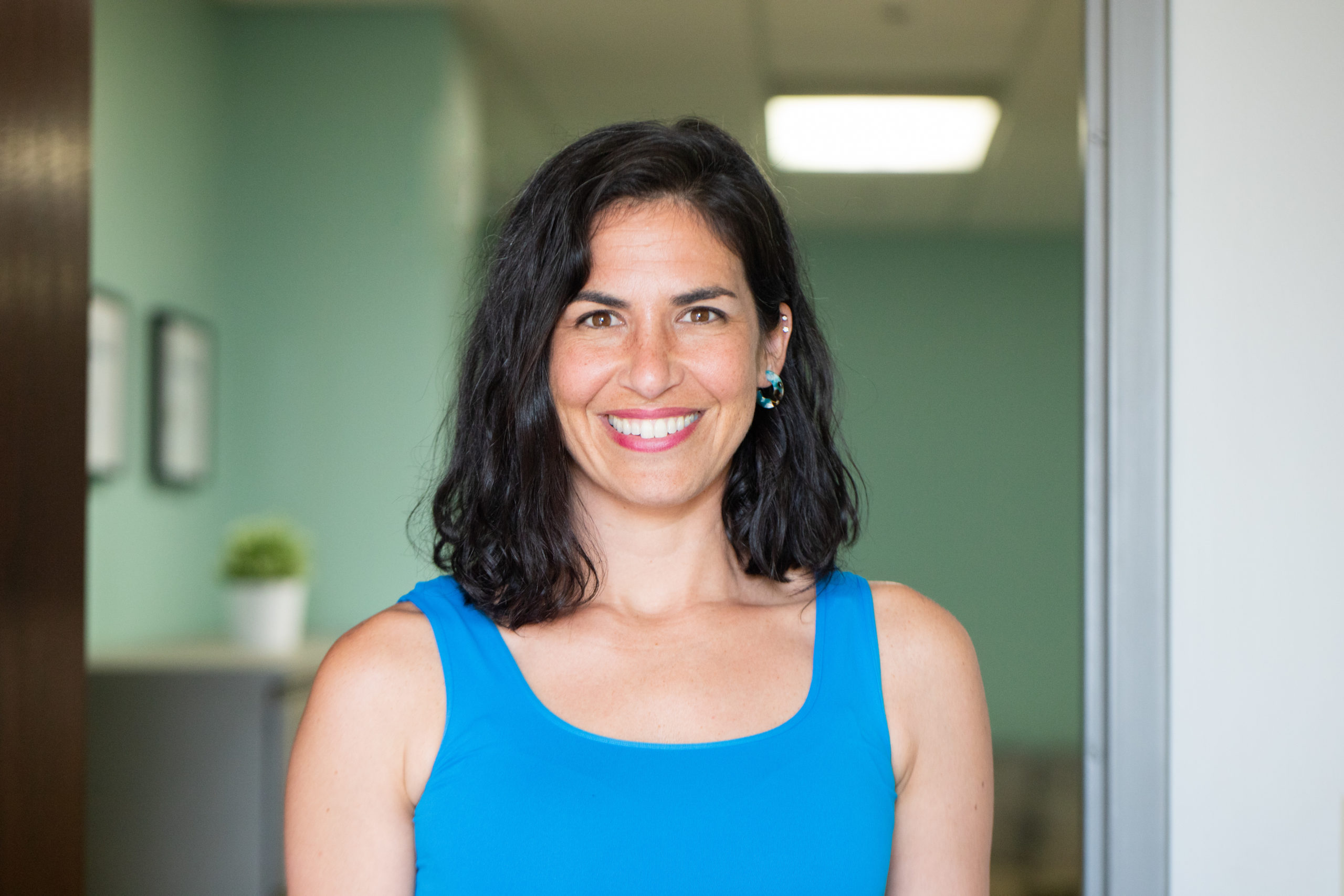
A woman with shoulder-length dark hair, wearing a bright blue sleeveless top, smiles at the camera while standing indoors in a light-colored room.

Rachel Winograd, PhD

Rachel Winograd, PhD, is a licensed clinical psychologist, Associate Professor, and Director of Addiction Science at the University of Missouri, St. Louis. Her clinical, research, program development, and advocacy interests revolve around interventions to save and improve the lives of people who use drugs. Currently, she serves as Principal Investigator of the Addiction Science, Practice, Implementation, Research, & Education (ASPIRE) Lab in the Department of Psychological Sciences and directs a grant-funded Addiction Science team of 25 engaged staff, faculty, and students within the Missouri Institute of Mental Health. Her scholarly and implementation work is funded by SAMHSA, NIDA, CDC, the Missouri Foundation for Health, and Missouri’s Opioid Pharmaceutical Settlements through the Missouri Departments of Mental Health and Health & Senior Services. Dr. Winograd and her teams efforts focus on improving overdose prevention, community health, and treatment and recovery services by expanding access to medical treatment, innovative harm reduction strategies, and person-centered approaches to drug use and addiction.

Presentation(s): 

From Research to Practice: Diverse Approaches to Understanding and Addressing Substance Use