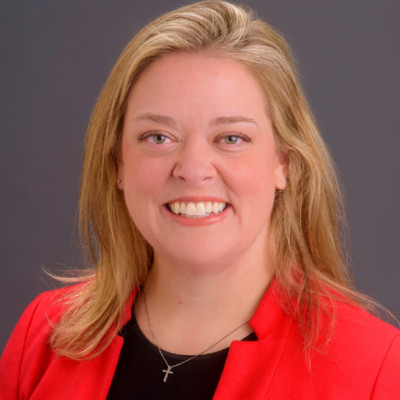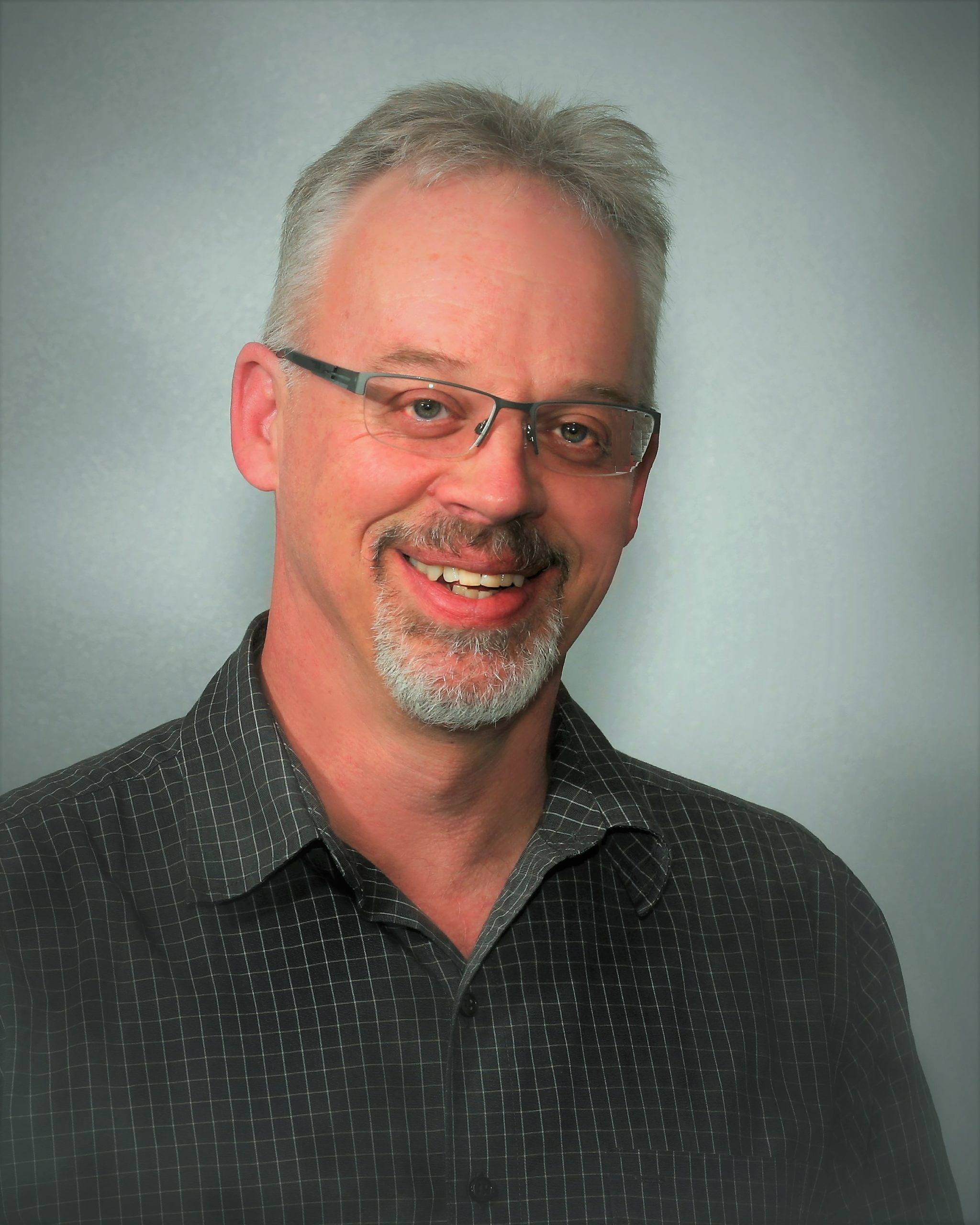
Baker, David, MA

David Baker is the director of Missouri Assistive Technology, Missouri’s federally funded state assistive technology program. David’s interest and involvement in assistive technology began nearly 30 years ago when he had the pleasure of working with an individual who was using one of the first commercially available augmentative communication devices. Fascinated with what adapted technology can do to level the playing field and open opportunities, David has devoted his entire professional career to the incorporation of assistive technology into the daily lives of individuals with disabilities. David has held a variety of positions that have seen him involved in all facets of assistive technology including training, program development and program management. He has presented widely on both the state and national level. His areas of expertise include assistive technology in educational settings, accessible educational materials and assistive technology in employment settings.

Presentation(s):
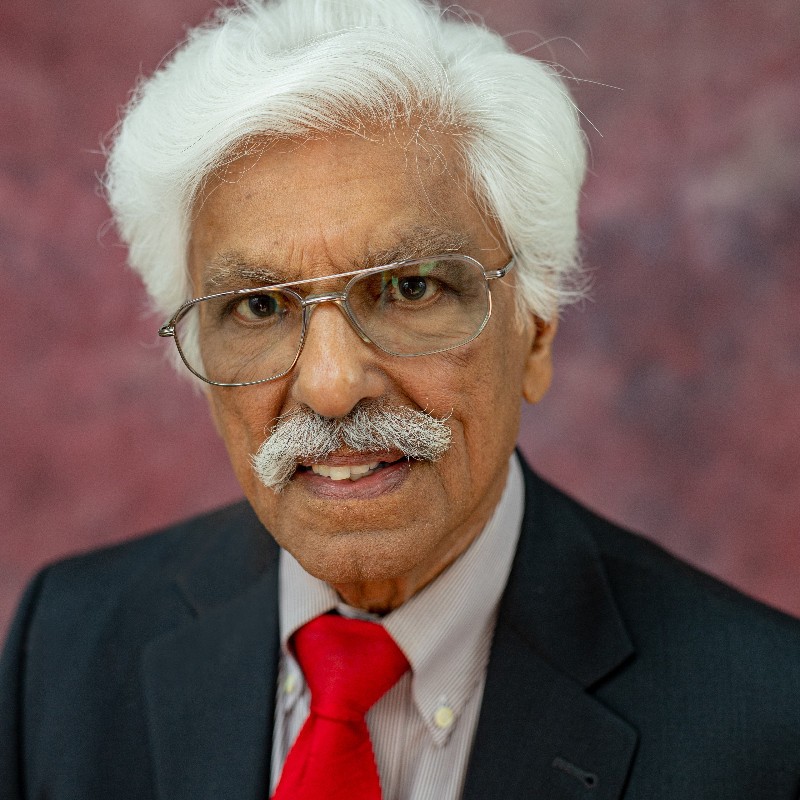
Assistive Technology for Mental Health

Clark, Marie, MA, LMFT, LSOE, LSOTP

Marie Clark, M.A., LMFT, LSOE, LSOTP has conducted psychosexual assessments, therapy, and training for more than 30 years. Her current focus is on the assessment of incest family members and juveniles with sexual behavior problems. She has conducted assessment and treatment in the Missouri Department of Corrections, and held positions of Consultant in residential facilities in Missouri, Illinois, and Arkansas. She is an associate editor for the Journal of Child Sexual Abuse and a Peer Reviewer for the Journal of Aggression, Maltreatment, and Trauma.

Presentation(s):

Assessment of Nonoffering Partners in Child Sexual Abuse Cases for Parenting and Protective Capacities

Daniel, AE, MD, MRC Psych

Dr. A. E. Daniel, is a forensic psychiatrist with decades of experience in mental health and correctional psychiatry. Daniel has worked with mental ill suicidal inmates. In doing so, he worked with correctional officers and other professionals. He was a mental health and correctional administrator, having worked as the Director of Psychiatric Services for the Missouri Department of Corrections between 2000-2007. For several years, he provided direct psychiatric services in a county Jail and various prisons in Missouri. In addition, he has analyzed about 130 inmates who committed suicide. He has published his research on inmate suicide in peer reviewed professional journals. He has testified as an expert witness in Federal and state courts where suicide led to lawsuits. Along with seven distinguished researchers and clinicians from US, Canada and Europe, he updated Resource Guide on Suicide Prevention in Jails for the World health Organization in 2006.

Presentation(s):

Prevent Suicide in Jails and Prisons: Save Lives and Avoid Lawsuits

Thomas, Sarah, EdD, MSW, LCSW

Dr. Thomas currently serves as the Director of Behavioral Health & Wellness at A.T. Still University. Founded as the original osteopathic medical school in Kirksville, Missouri, ATSU has expanded to include campuses in Phoenix, Arizona, Santa Maria, California, and an online program. In her role, Dr. Thomas leads a team of professionals to provide quality behavioral health care to students in professional healthcare programs. In addition, Dr. Thomas serves as a subject matter expert to lecture regarding all aspects of well-being, including an elective course for medical students on resilience and mindfulness in medicine. Dr. Thomas previously worked in a federally qualified health center, adolescent residential care, and community mental health. Dr. Thomas completed a Doctorate of Education in Healthcare Professions in May of 2022 from A.T. Still University and received her MSW and BSW from the University of Missouri School of Social Work in 2005 and 2003.

Presentation(s):

Real Self-Care for Mental Health Practitioners: Strategies to Prevent and Treat Compassion Fatigue and Burnout

Smalling, Lauren, MSW, LCSW

Lauren Smalling, MSW, LCSW is a 40-year-old social worker practicing as a substance use counselor in Lebanon, MO. She began her social work journey at the age of 24 and had the best year of her life in 2013 when she graduated LSU with her master’s degree and then had a baby. Lauren has worked for Compass Health Network for almost seven years now and continues to love her career and her family.

Presentation(s):

Treatment and Diagnosis of Individuals with Schizophrenia

The Rainbow Road to Recovery

Paradise Ballroom A


Speaker(s): Nesbitt, Donna, BA

Description:

This presentation serves to examine the unique intricacies regarding substance use and recovery among the LGBTQIA+ population. This includes examining specific contributing factors to the prevalence of substance use disorders in the community, barriers to receiving proper treatment, and protocols agencies can implement within their own programs so as to better serve high-risk individuals. The hope is to increase competency regarding inclusivity and guide in providing an affirmative space so that it may encourage others to seek help.

Objectives

  •  Define the various subgroups within the LGBTQIA+ population.
  • Review the history of the LGBTQIA+ population.
  • Explore contributing factors to substance use disorders among the LGBTQIA+ community.
  • Identify barriers to accessing effective and competent treatment programs for recovery.
  • Develop agency protocols aimed at increasing inclusion, affirmation, and retention of LGBTQIA+ clients.

Inclusion & Affirmation: Improving SUD Treatment for the LGBTQIA+ Population

Paradise Ballroom B


Speaker(s):

Nesbitt, Donna, BA

Description

This presentation will focus on the unique needs of LGBTQIA+ individuals seeking treatment for substance use. It will examine important considerations for success in recovery as well as which interventions are most effective for long-term sobriety. Those attending will be educated on updated terminology, current societal issues, and concerns regarding treatment that all contribute to the prevalence of addiction among this community. The presentation will be given from the perspective of someone who specializes in working with LGBTQIA+ clients and has been one. The hope is to increase awareness, improve inclusivity, shift treatment protocols, and demonstrate to providers how they can be more affirmative in the support they are offering. The presentation will also give tips and ideas for increasing involvement with advocacy and potentially increase the number of clients that reach out.

Objectives

Define common terms important to know for working with the LGBTQIA+

Increase knowledge of changes occurring within & outside community

Identify the unique issues LGBTQIA+ individuals face which contribute to SUD

Describe the difference between inclusivity versus affirmation in treatment

Utilize suggestions in order to improve current practice for better outcomes

Chaffee, Thomas, MD

I am an academic psychiatrist working in the heart of downtown Kansas City, Missouri. I grew up in Kansas City, went to Kansas State University for my undergraduate degree, the University of Kansas for medical school, and the University of Michigan for residency. I am currently employed as an academic psychiatrist in the heart of downtown Kansas City, MO. I work for University Health, which has an affiliation with the University of Missouri Kansas City (UMKC). I have a variety of roles within the department – primarily working with patients with serious and persistent mental illness. I see patients in the office, the community (often doing home visits or doing outreach at homeless shelters or camps), and jail. We have been building a relationship with the judges at the Kansas City Municipal Court – helping to provide mental health care for those incarcerated with city charges. I also have an informal relationship with the UMKC athletic department and see many of the athletes with mental health needs. I recently accepted a position as Assistant Residency Director and enjoy teaching both medical students and residents. I find a deep satisfaction helping patients, who because of their mental illness and systemic inequities, struggle to access basic human needs. I enjoy working within a community of providers and staff who share the same passion.

Presentation(s):

The Justice System, Mental Illness, and Mental Health Court

The Justice System, Mental Illness, and Mental Health Court

Parasol II


Speaker(s):

Chaffee, Thomas, MD

Description

This is a presentation covering the complex interactions between mental illness and the criminal justice system. I give an overview of our criminal justice system, focusing on our local system. Then transition into statistics about mental illness and incarceration. Will discuss the challenges of treating patients in jail. Then will discuss mental health courts – the general set up and efficacy.

Objectives

Explain the basic foundations of the United States Justice Systems
List the common steps involved in a criminal court case
Identify the challenges of having mental illness while incarcerated
Identify the challenges of treatment patients with mental illness while incarcerated
Explain the essential elements of a successful mental health court

Sohl, Kristin, MD, FAAP

Dr. Kristin Sohl, MD, FAAP is a Professor of Clinical Child Health at the University of Missouri, Executive Director of ECHO Autism and Scientific Advisor for the National Institutes of Neurologic Disorders and Stroke, and Medical Director for MU Missouri Telehealth Network and the MU Office of Continuing Medical Education. She is a pediatrician with extensive experience in medical diagnosis, evaluation, and treatment of children with a concern of autism and other neurodevelopmental disorders. Dr. Sohl is regarded as an expert in quality and process improvement particularly for comprehensive autism diagnostic and longitudinal services. She is the founder of ECHO Autism, an innovative framework to increase community capacity to care for children with autism. It is viewed as a national model in expanding autism diagnosis and treatment to underserved and rural populations. The ECHO Autism team has established partnerships with other children’s hospitals and autism centers in more than 40 locations in the United States and 15 international locations. Dr. Sohl is a tireless advocate for children and enjoys engaging other physicians in being a voice for children’s health. She is the President of the American Academy of Pediatrics, Missouri Chapter. She completed medical school and pediatric residency at the University of Missouri.

Presentation(s):

Autism Spectrum Disorder: Developing a Deeper Understanding