Northwest Missouri Psychiatric Rehabilitation Center

Northwest Missouri Psychiatric Rehabilitation Center

Northwest Missouri Psychiatric Rehabilitation Center (NMPRC) is a 108-bed psychiatric hospital that provides inpatient care for adults.

The new campus was completed and occupied in July of 1997. It replaced the old St. Joseph State Hospital directly across the street, which had housed the hospital since 1874. The old campus is now a Department of Corrections facility.


 

https://mocareers.mo.gov/

MIMH Addiction Science Team

MIMH Addiction Science Team

The Addiction Science Team of the University of Missouri-St. Louis is a collaborative team between Missouri Institute of Mental Health (MIMH) and Department of Psychology Substance Use Research Group (SURG).  We are a team focused on supporting individuals who use drugs through program design, research, evaluation, capacity-building and training.


Truman VA Suicide Prevention

Truman VA Hospital

he Harry S. Truman Memorial Veterans’ Hospital is a Veterans Administration (VA) hospital located in Columbia, Missouri. Located adjacent to the University of Missouri campus, the hospital has a coverage area of 43 counties in Missouri and Illinois and serves more than 38,000 veterans inpatient and 314,000 veterans outpatient.[1][2] Affiliated with the University of Missouri School of Medicine, it provides primary care, surgical, mental health, medical, geriatric, transitional, rehabilitative, and hospice services.[3] The medical center has achieved some of the best scores in the state of Missouri for JCAHO Quality Reporting.


website: WWW.VA.GOV

Missouri Tobacco Prevention and Control Program

The Tobacco Prevention and Control Program (TPCP) works to reduce deaths and prevent chronic diseases that result from tobacco use.  TPCP strives to improve the health of Missourians by promoting and supporting tobacco-free environments and lifestyles.  TPCP and its partners promote and implement tobacco control interventions, including actions to prevent youth from starting to use tobacco-related products, increase access to smoke/tobacco-free environments, offer programs to help tobacco users quit, and take steps to achieve health equity by eliminating tobacco-related health disparities in different population groups.

website: www.health.mo.gov

Black text on a white background reads: 988 Suicide & Crisis Lifeline Missouri in bold, all-caps font, enclosed within a black square border with an open section on the left side.

988 Suicide and Crisis Lifeline

The 988 Suicide & Crisis Lifeline is a three digit number for anyone experiencing a mental health, suicide, or substance use crisis. 988 offers rapid access to behavioral health support through connection with trained crisis specialists. If you or someone you know is experiencing a crisis, call or text 988 or chat online at 988lifeline.org/chat for free and confidential support available 24/7. To learn more about 988 in Missouri, visit Missouri988.org.

website: https://Missouri988.org

Logo with “EPC” in large purple letters inside colorful overlapping circular rings. Text at the bottom reads “EARLY PSYCHOSIS CARE - MISSOURI.”.

EPC – Early Psychosis Care

Missouri’s Early Psychosis Care initiative is bringing to the forefront the importance of identification and intervention as critical steps in reducing the impact of psychosis on affected individuals, their families, and our community.  Through educational opportunities and outreach, EPC will raise awareness state-wide about best practices, current trends in research, offer learning collaboratives, and implement new strategies, research, and trends into practice.

Current priorities are:

1.  Provide training, consultation, and implementation support to early intervention programs that specifically address early psychosis care in Missouri.

2.  Through community outreach, provide education and support to individuals seeking information and resources on early psychosis.

3.  Promote evidenced-based care and advance research on early psychosis, as it relates to promoting implementation science and clinical outcomes.

EPCMissouriConference.com

A woman with shoulder-length dark hair, wearing a bright blue sleeveless top, smiles at the camera while standing indoors in a light-colored room.

Rachel Winograd, PhD

Rachel Winograd, PhD, is a licensed clinical psychologist, Associate Professor, and Director of Addiction Science at the University of Missouri, St. Louis. Her clinical, research, program development, and advocacy interests revolve around interventions to save and improve the lives of people who use drugs. Currently, she serves as Principal Investigator of the Addiction Science, Practice, Implementation, Research, & Education (ASPIRE) Lab in the Department of Psychological Sciences and directs a grant-funded Addiction Science team of 25 engaged staff, faculty, and students within the Missouri Institute of Mental Health. Her scholarly and implementation work is funded by SAMHSA, NIDA, CDC, the Missouri Foundation for Health, and Missouri’s Opioid Pharmaceutical Settlements through the Missouri Departments of Mental Health and Health & Senior Services. Dr. Winograd and her teams efforts focus on improving overdose prevention, community health, and treatment and recovery services by expanding access to medical treatment, innovative harm reduction strategies, and person-centered approaches to drug use and addiction.

Presentation(s): 

From Research to Practice: Diverse Approaches to Understanding and Addressing Substance Use


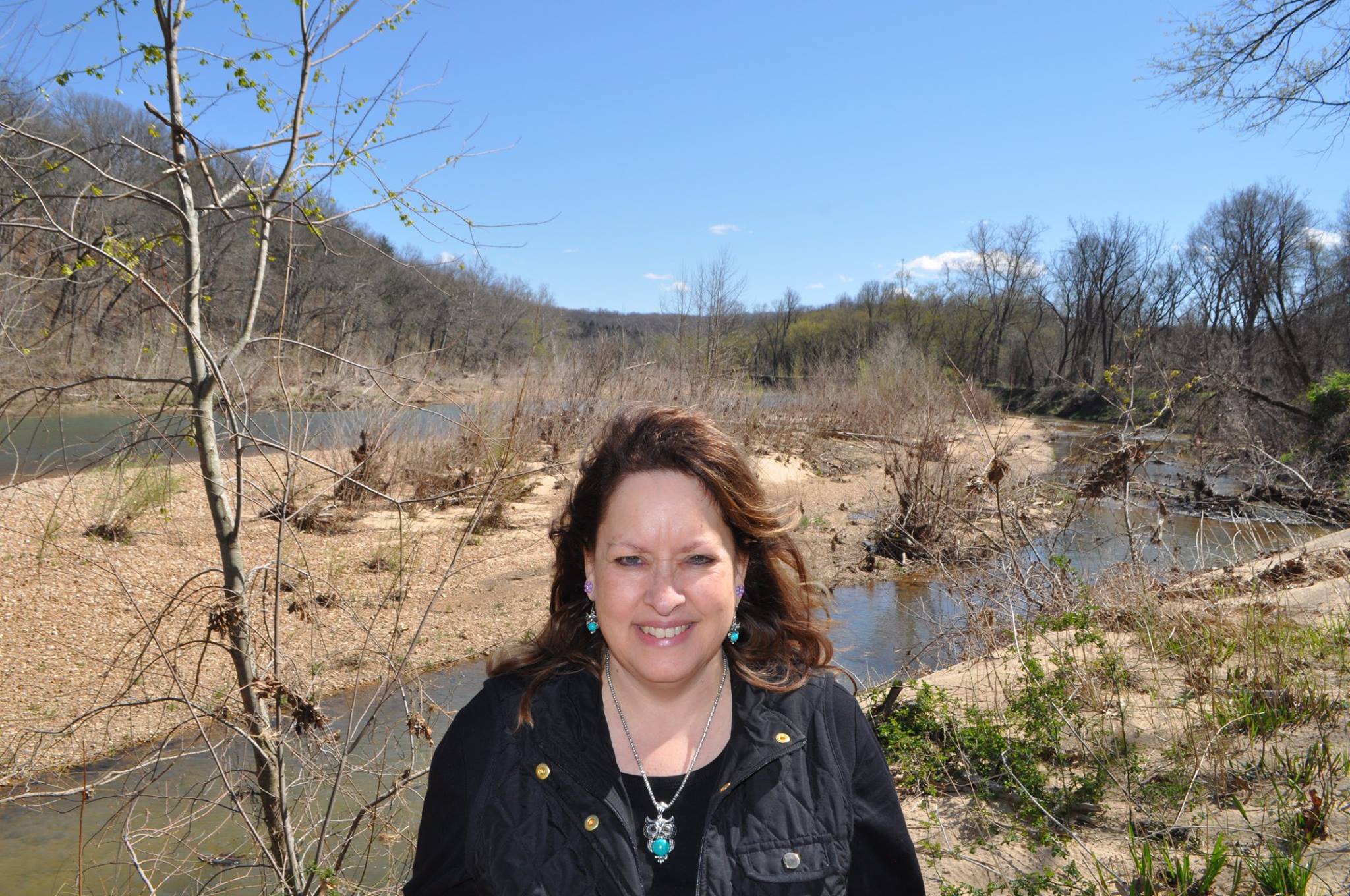
A woman with long brown hair and a black jacket smiles while standing outdoors in front of a riverbank with dry, leafless trees under a clear blue sky.

Terri Cooley-Bennett, DSW, MSW, BSW

Dr. Terri Cooley-Bennett holds a Doctor of Social Work (DSW) from Tulane Universitys School of Social Work and is a licensed clinical social worker in both Missouri and Kansas. She has completed clinical supervision training through the National Association of Social Workers (NASW) and the Missouri Credentialing Board (MCB), and is a trained Ethics Consultant for NASW. Dr. Terri currently serves as the appointed Chairperson of the Ethics Committee for the Missouri Chapter of NASW.
With more than 20 years of experience in education, public speaking, and clinical practice, she has served as a field instructor for multiple colleges and universities and is an Adjunct Professor in the Addictions Counseling Program at City Vision University. In 2024, she participated in a teaching fellowship at the Tulane University School of Social Work.
 
Dr. Terri has extensive experience working with diverse and marginalized populations, including individuals impacted by trauma, poverty, homelessness, racial inequities, LGBTQ+ identities, substance use disorders, behavioral health challenges, and diagnosed mental health conditions. She is currently an Adult Outpatient Therapist at Swope Health, where she has held various roles over the past 11 years.

Presentation(s): 

Ethical Approaches to Vicarious Trauma, Self‑Care, and Professional Conduct- Part 1

Finding Joy in the Workplace: Ethical Considerations in Addressing Trauma-Related Employment Stress (TRES) – Part 2


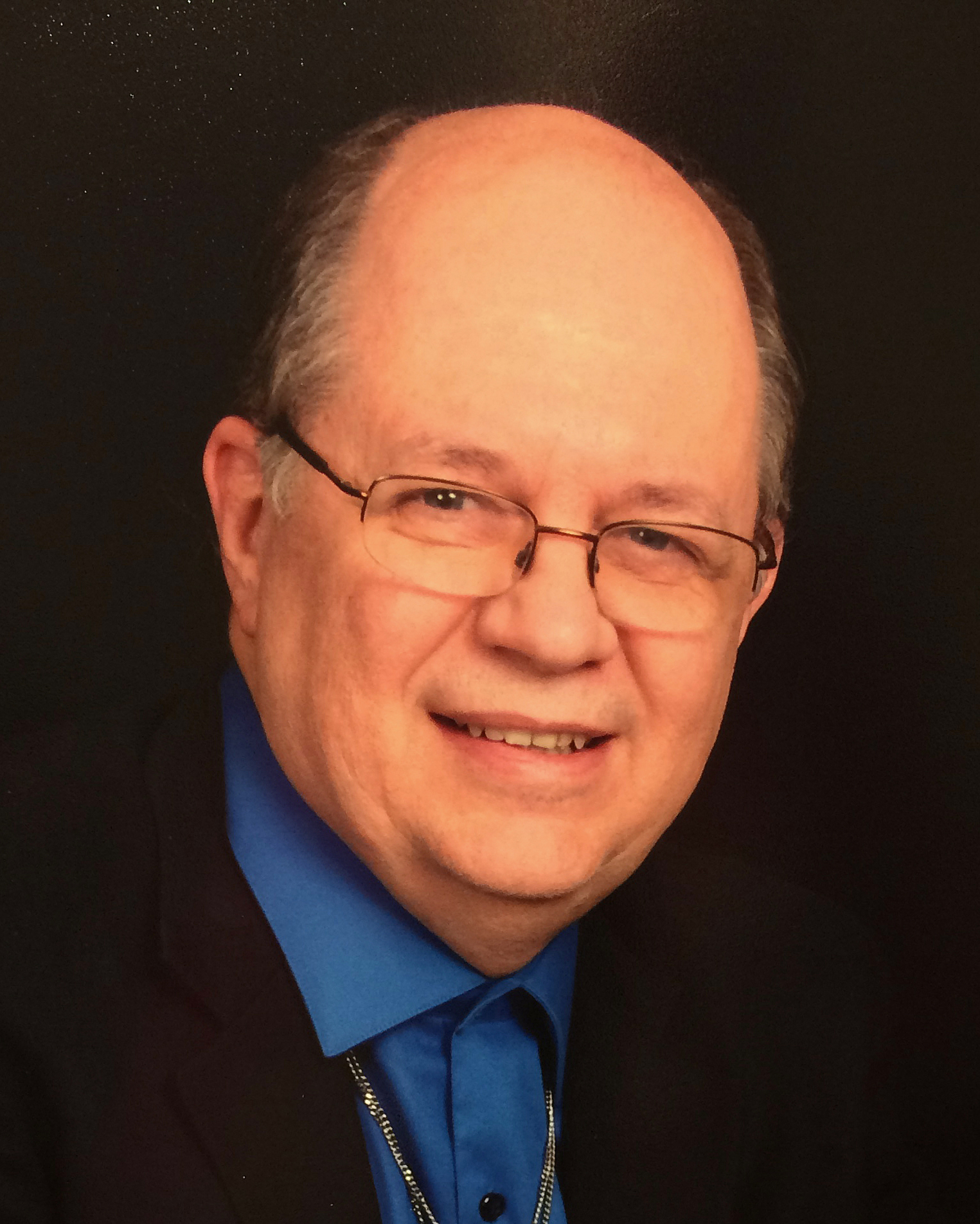
A middle-aged man with glasses, short gray hair, and a receding hairline, smiling. He is wearing a dark blazer and a blue shirt against a black background.

John Carpenter, MSW, LCSW

After obtaining a BA in Psychology from DePauw University in Indiana and a MSW from Washington University in St. Louis, John has served southwest Missouri for 45 years as a Psychiatric Therapist working with individuals, couples, families, and groups for all types of disorders and behavior problems.
He learned that using experiential approaches, metaphors, and visual props often revealed many hidden dynamics and reactions that just talking would never have produced. This made therapy more clearly understood, experienced, and productive.
 

Presentation(s): 

Revealing the Hidden Dynamics of Difficult Cases